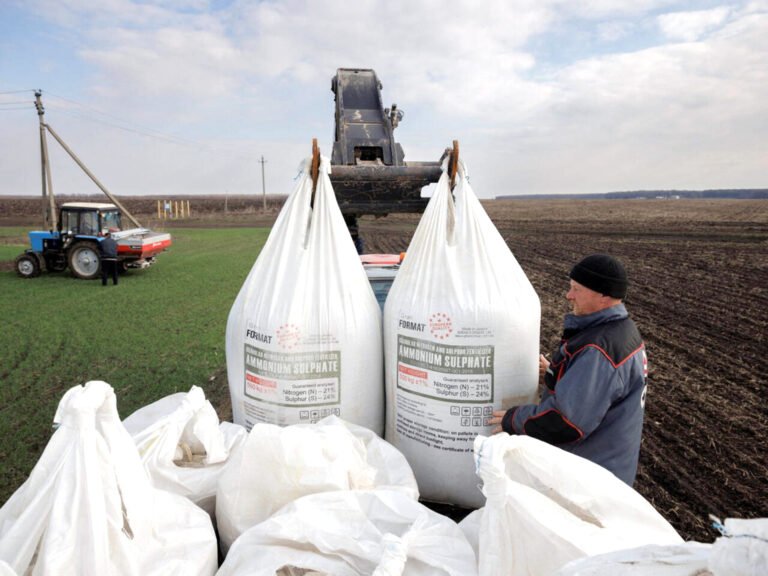
Brussels, Belgium – European countries are racing against time to contain the fallout from the escalating fertilizer crisis. These efforts come after economic challenges and rising production and energy costs fueled growing concerns about the future of food security across the continent.
These concerns have prompted European authorities to develop contingency plans aimed
at ensuring stable agricultural supplies and preventing any disruptions that could affect food production in the coming months.
Declining production and rising crop prices
European reports indicate that the sharp rise in fertilizer production costs, particularly
for natural gas-based fertilizer, has placed significant pressure on agricultural companies and farmers.
Simultaneously, warnings have been issued that a prolonged crisis could lead to
a decline in agricultural production and a surge in the prices of staple crops.
The proposed emergency plan includes a range of measures, such as bolstering strategic fertilizer reserves and supporting supply chains.
The plan also explores mechanisms for providing assistance to the agricultural sector in the countries most affected by the crisis.
Furthermore, authorities are investigating ways to expand the adoption of more efficient
fertilizer-use alternatives and agricultural technologies. This aims to reduce reliance on volatile markets.
Potential shortages in food supplies
Experts believe that fertilizers have become an integral part of Europe’s national food security agenda, particularly given the geopolitical shifts
and disruptions in global markets in recent years, which have impacted trade and global supply chains.
Observers have also warned that continued pressure could lead to higher food prices for consumers,
at a time when European governments are trying to balance supporting farmers with maintaining market stability and curbing inflation.
These new European measures are part of broader efforts to avert
any potential food supply shortages and ensure the sustainability of agricultural production.
This comes amid expectations that energy and raw material challenges will persist in the coming period.