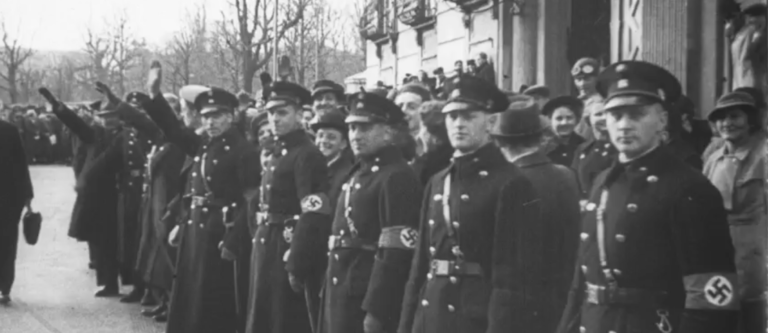
Berlin, Germany | The Gestapo is considered one of the most terrifying intelligence agencies in modern history. Consequently, this apparatus played a pivotal role in forcefully consolidating the power of the Nazi regime. Moreover, the secret police pursued political opponents and anyone threatening the ruling state’s policies. As a result, this entity became a symbol of oppression and brutality during World War II. Thus, the Nazi authorities imposed their absolute and frightening control across Germany and the occupied European territories.
Foundation, Oppressive Powers, and Recruiting Informants
The Gestapo was founded in 1933 following Adolf Hitler’s rise to power. Accordingly, it quickly transformed into a major tool for monitoring and spying on citizens daily. In addition, the agency enjoyed broad powers to execute arbitrary arrests without any significant judicial oversight. Conversely, the authorities relied on a vast network of secret informants to spread suspicion among society. Therefore, citizens lived in constant and continuous terror, fearing reports from neighbors or coworkers.
Expanding Tasks and the Inevitable End After Defeat
During the grueling war years, the tasks of the Gestapo expanded to include suppressing European resistance movements. On the other hand, the agency actively participated in persecution policies and harsh torture operations inside secret prisons. Consequently, historians believe that the secret police’s power relied more on psychological terror than security capabilities. Ultimately, the apparatus was dismantled, and its leaders were tried internationally after Germany’s crushing defeat in 1945. Accordingly, this name remains to this day a historical synonym for the violation of freedoms and violent political repression.