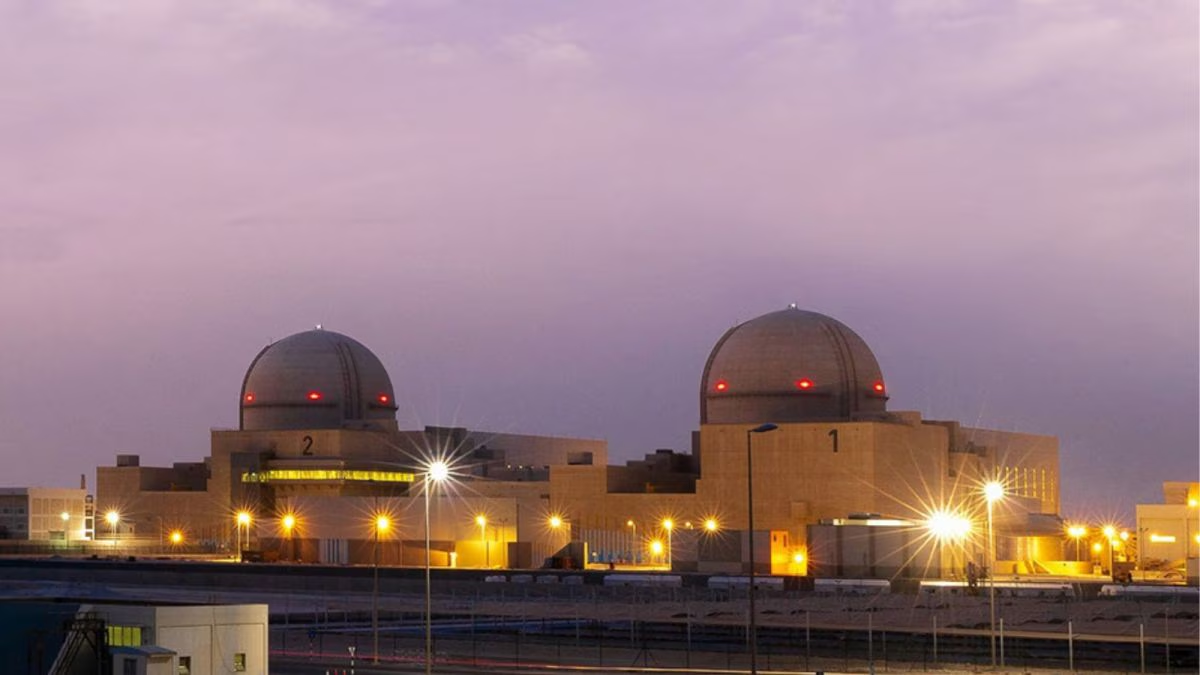
Abu Dhabi – The United Arab Emirates initiated intensive diplomatic mobilization to shield its sensitive developmental installations. The portfolio of securing Barakah nuclear plant arrived at the forefront of official deliberations conducted by Abu Dhabi with international partners. Sheikh Abdullah bin Zayed Al Nahyan, Deputy Prime Minister and Minister of Foreign Affairs, executed a sequence of expanded communications. The urgent telephonic assemblies targeted a number of foreign ministers and UN officials to evaluate the repercussions of the recent incident. The Al Dhafra region witnessed the targeting of a subsidiary electrical facility situated outside the internal scope and security perimeter of the station. The Emirati leadership asserted the capability of its defensive apparatuses to repel terrorist threats, preserving the safety of territories and citizens in 2026.
Safety of Operating Systems and Absence of Radiation Fallouts at the Reactor
The Emirati Ministry of Foreign Affairs confirmed during international communications that the accidental incident did not impact the reactors. Operating systems and clean electrical energy generation inside the plant proceed regularly and with full efficiency as customary. Furthermore, regulatory devices did not record any human casualties or radioactive fallouts damaging the surrounding environment. Intensive precautionary measures sustain, alongside the tracking of competent authorities to secure all infrastructure joints across the country. Diplomatic deliberations touched upon the importance of strengthening regional coordination to confront threats targeting civilian structures. Major capitals operate to prevent the expansion of comprehensive military frictions witnessing the Middle East territory.
The Emirati Foreign Minister stressed the necessity of absolute backing for quiet political and diplomatic remedies among nations. Abu Dhabi demanded rigid respect for international laws that categorically criminalize targeting civilian and vital facilities. This legal commitment contributes to preserving the security and stability of the Gulf, avoiding further military escalation in the region. The peaceful nuclear plant enjoys continuous sponsorship and surveillance from the International Atomic Energy Agency in Vienna. Emirati engineers seek to update physical and electronic protection barriers to deter sudden cyber and aerial assaults with distinction.
Broad Arab and International Condemnations Against Military Escalation Targeting Energy Plants
Statements of condemnation and solidarity flowed from Arab and global capitals with the United Arab Emirates following the incident. Regional organizations expressed their absolute rejection of all sabotage attempts targeting global energy security. Strategic experts believe that the stability of the UAE represents a fundamental pillar for economic and investment growth across the Middle East. International factions called for the necessity of activating joint deterrence mechanisms to halt the flow of drones to armed groups. Federal technical committees continue examining projectile debris to determine the launch point, drafting a comprehensive security report for parliament.
The international business community trusts the flexibility and efficiency of security protocols deployed inside major Emirati cities. Trading movements across Abu Dhabi and Dubai financial markets were not impacted by the news, and foreign capital inflows sustained regularly. The sovereign state places the safety of civilians and residents above all considerations via innovating early warning and air defense ecosystems.