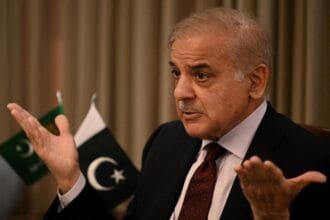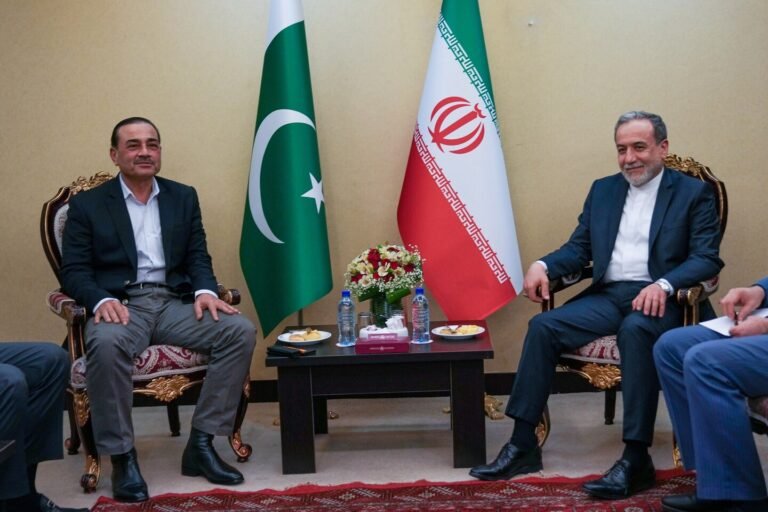
Tehran – The Asian capitals initiated a brand-new round of intensive security and political negotiations to guarantee the stability of shared border provinces. The current pakistani-iranian diplomatic movements aim to construct a solid defensive and commercial framework facing rapid regional challenges. The Pakistani Interior Minister arrived in the capital, Tehran, on an official visit, assembling with the Iranian President and senior military commanders. Both factions explored methodologies to develop bilateral relations, expanding joint coordination channels over thorny economic and political files. These congregations materialize in 2026 to evade field frictions and enforce security inside the Balochistan province, vital to both nations chronologically.
Securing Shared Borders and Exchanging Intelligence Information Between Both Nations
Closed sessions concentrated on studying the security situation across border crossings and territories witnessing armed tensions from time to time. Smuggling operations and irregular movements across boundaries visibly triggered prior disagreements between Islamabad and Tehran. Both factions agreed to activate electronic surveillance mechanisms and immediate intelligence sharing between competent security apparatuses across both states. Officials seek to evolve hot and direct communication lines to elevate field coordination for military units stationed on combat fronts. These precautionary steps contribute to minimizing transcontinental hazards, combating extremist terrorist organizations with high accountability.
The expanded assembly touched upon methodologies to deploy joint patrols along the separating border line to prevent infiltration. Army commanders across both sides demand the necessity of respecting absolute national sovereignty, preventing the use of territories to launch hostile assaults. Ethnic disputes within mountainous regions triggered continuous anxiety for security decision-makers across both countries during past years. The current landscape mandates drafting a flexible security strategy keeping pace with complex geopolitical transformations crossing the Asian continent. Specialists sustain updating joint operations rooms to guarantee swift responses to emergencies and sudden field crises.
Expanding Commercial Exchange, Energy, Transport, and Joint Investment Portfolios
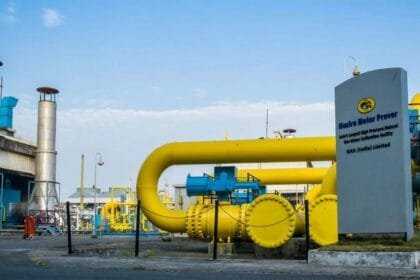
On the economic front, both delegations discussed the possibility of raising bilateral trade volume, easing the movement of goods and tankers through official crossings. Joint investment blueprints contribute directly to enhancing internal stability and backing the livelihood interests of both neighboring populations. Joint technical committees reviewed energy supplies, extending natural gas lines, and land transport networks with distinction. Pakistan seeks to secure its escalating requirements of cheap Iranian fuel to manage its factories and national electrical generation stations. Iran supplies brand-new customs facilities for Pakistani agricultural products and textiles arriving regularly at its local markets.
Financial experts argue that economic integration represents the cornerstone to terminating political conflicts and military tensions inside the region. Opening brand-new commercial outlets unlocks broad gateways of hope for residents of border zones deprived of comprehensive development. This developmental dynamism contributes to reducing unemployment metrics, fighting organized crime networks, and narcotics smuggling cartels. Investors demand the necessity of protecting commercial convoys and securing vital paths linking Pakistani ports with major Iranian cities.
Sustaining Political Dialogue and Backing Diplomatic Remedies for Regional Crises
Both leaderships asserted at the conclusion of deliberations the paramount significance of sustaining quiet, sustainable political and diplomatic dialogue. Observers believe that prioritizing the voice of reason and peaceful remedies guarantees protecting the region from the ghost of destructive warfare. Both nations seek to construct robust regional alliances backing international peace and security under brand-new global balances. Political analysts monitor the outcomes of this visit and its direct impact on regional de-escalation portfolios across the Middle East. Tracking the dimensions of the pakistani-iranian diplomatic movements remains the primary strategic headline analyzed in Asia for 2026.