Tehran, Iran – Nearly 40 countries are moving towards participating in unprecedented security and maritime arrangements to secure international navigation in the Strait of Hormuz. This move reflects the extent of global concern over escalating security tensions in the region and the potential for threats to trade and energy routes that could impact the global economy.
These developments come amid growing fears of a wider military and political escalation in the Middle East, particularly given repeated international warnings regarding the security of vital maritime routes through which a significant portion of global oil and gas exports pass.
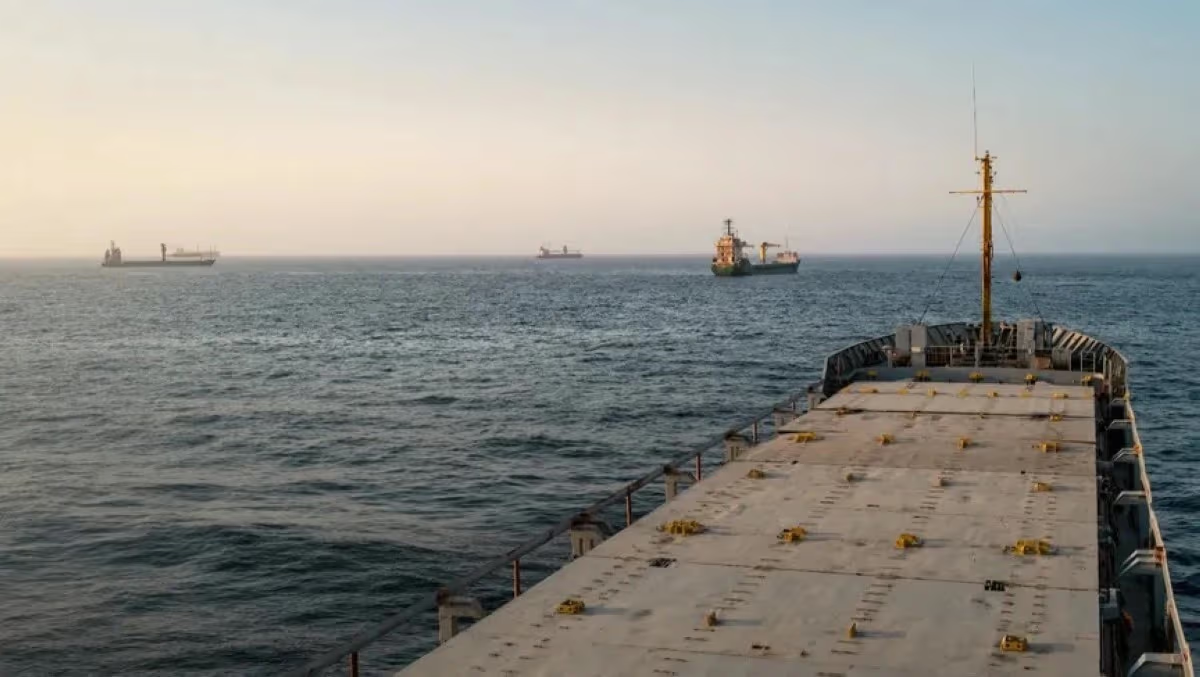
According to international reports, participating countries are seeking to enhance maritime and intelligence coordination and intensify joint monitoring and patrols within sensitive waterways to ensure freedom of navigation and prevent any attempts to disrupt the movement of commercial vessels and energy tankers.
The Strait of Hormuz is one of the world’s most vital economic arteries, through which a significant portion of global oil supplies from the Gulf states pass, making any security disruption a direct threat to global markets and energy prices.
Security experts believe that the scale of international participation reflects a growing awareness of the gravity of the current situation, particularly given increasing fears of naval confrontations or attacks on commercial vessels, which could lead to a widespread global economic crisis.
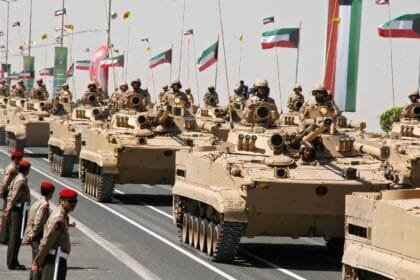
It is also estimated that some major powers are working to raise the level of naval military readiness in the region, deploying additional warships and advanced surveillance systems, as part of precautionary plans to protect shipping and secure international supply lines.
Conversely, several countries assert that the aim of these moves is not military escalation, but rather to protect regional stability and ensure the uninterrupted flow of trade and energy, especially given the global economy’s heavy reliance on the security of maritime routes in the Gulf.
Analysts believe this naval buildup may reduce the likelihood of a direct confrontation, but it also reflects the extent of existing tensions and international concern about the region sliding into a wider conflict with potentially serious political and economic repercussions.
As regional tensions persist, attention remains focused on the Strait of Hormuz, one of the world’s most sensitive chokepoints, where any security development could quickly impact international trade, oil prices, and global economic stability.