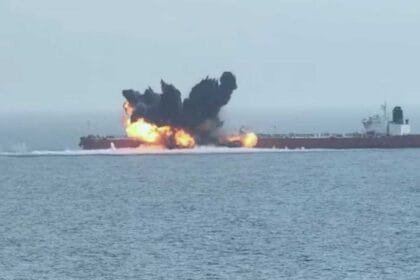
Seoul, South Korea – South Korea announced it is currently “reconsidering its position” regarding joining US-led maritime operations in the Strait of Hormuz. This follows direct calls from US President Donald Trump to bolster maritime security in this vital waterway. The move comes after an attack on a vessel linked to South Korean interests, which has been attributed to Iran.
Trump’s pressure and the Korean response
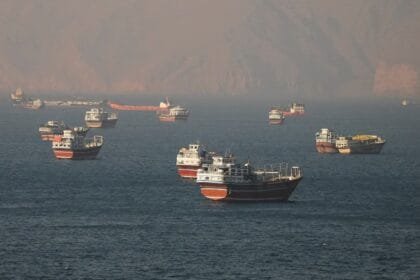
South Korea’s move came after strong statements from President Trump, who asserted that the recent attacks should compel Seoul to actively participate in US efforts to secure and protect commercial vessels stranded in the Strait of Hormuz. The Strait of Hormuz is a vital strategic waterway for fuel exports, upon which the South Korean economy relies almost entirely for its energy needs. A South Korean Defense Ministry spokesman stated that the government would “carefully review its position.” He clarified that no final decision had yet been made, adding that Seoul was still balancing its international obligations with its national interests.
Criteria for the anticipated decision
The ministry explained that Seoul’s review of its position will be based on four key principles to ensure the preservation of a balance of power and interests. It emphasized the need to guarantee the legitimacy of any military or security action beyond its borders in accordance with international law. It also seeks to ensure the safety of maritime routes, given the critical importance of oil and gas supplies to South Korean ports. Furthermore, it considers the alliance with Washington the cornerstone of South Korean defense policy. Finally, it stressed the importance of maintaining security on the Korean Peninsula to avoid any diversion of military capabilities amidst ongoing tensions with North Korea.
Diplomatic challenges
The ministry added that it seeks to avoid direct involvement in a conflict that could affect its trade relations with countries in the region. However, increasing pressure from the White House is placing Seoul in a difficult position, torn between maintaining the strength of its “sacred alliance” with Washington and avoiding being drawn into a regional confrontation in the Middle East. Observers believe that South Korea’s participation, should it occur, would represent a significant shift in its defense strategy. It would also mark the first major South Korean military involvement in international maritime security operations outside its territorial waters. This shift could pave the way for new security dynamics in the region.