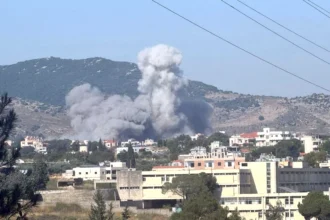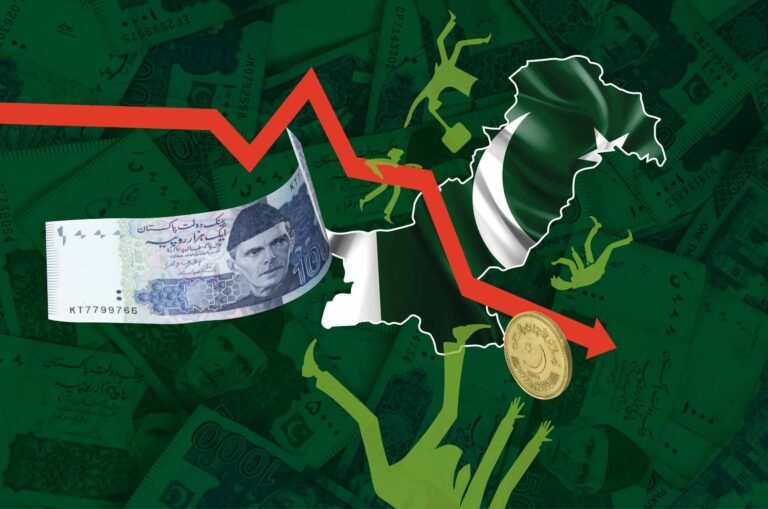
Islamabad – Economic circles in Islamabad have sounded the alarm over a “nightmare scenario” threatening the Pakistani economy, with reports estimating that continued tensions in the Middle East could cost the country a staggering $68 billion in annual losses. Obviously, Pakistan finds itself in the “line of fire”; it relies almost entirely on Gulf energy, and any escalation there immediately translates into a spike in fuel prices and supply chain disruptions, placing the state budget in a historic bind in May 2026.
“Hormuz Nightmare”: How Rising Energy Prices Crush the Pakistani Market?
Analyses clarified that any disruption in maritime corridors, especially the Strait of Hormuz, will lead to delays in oil and gas shipments and push insurance and transport costs to record levels. Accordingly, this rise will reflect directly on basic commodity prices within Pakistan, fueling the inflation waves already exhausting its citizens. Clearly, the Pakistani government will face extreme difficulty controlling the “Current Account Deficit” if global energy prices continue to soar beyond the reach of emerging economies.
“Double Blow”: Declining Remittances Threaten Millions of Families
The warnings didn’t stop at energy borders; they extended to include the “lifeline” provided by remittances from Pakistani workers in the Gulf. As a result, experts fear that any impact on regional economies due to conflict could lead to a decline in these transfers—a blow that could break the back of the local economy, given that millions of Pakistani families rely on them as their primary income. Amidst this “worst-case scenario,” Islamabad is left with a single option: swift action to innovate austerity measures and urgent steps to mitigate losses before it’s too late.