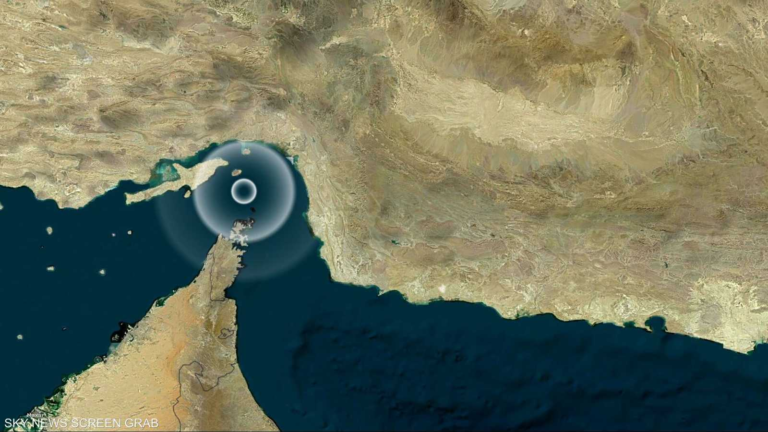
New York – The United Nations has issued a resounding warning of a “catastrophic” scenario that could strike the global economy if navigation in the Strait of Hormuz is disrupted. The international organization emphasized that this vital corridor is not just a waterway, but the “lifeline” for global oil and gas flows, and that any disruption—even partial—will deepen the energy shock and lead to a sharp spike in prices. Obviously, UN concerns stem from the fact that the world in May 2026 can no longer endure more crises, especially with geopolitical tensions putting energy supplies on a “razor’s edge.”
“Fragile Nations in the Crosshairs”: Why the World Fears a Shutdown?
The organization explained that the greatest impact will not be limited to industrial nations but will extend to hit “fragile” and developing countries already suffering from suffocating financial pressures. Accordingly, rising fuel costs will immediately exacerbate humanitarian crises and increase poverty rates, threatening social stability in vast regions of the world. Clearly, the UN views “Hormuz security” as the key to preventing a total economic collapse that could affect entire global supply chains.
“Prevention is Cheaper than Cure”: UN Calls for Swift International Action
The UN stressed that the international community faces a historical responsibility to ensure the continued flow of energy and avoid any military escalation in the region. As a result, the organization called for enhanced international cooperation to protect maritime lanes, asserting that the cost of preventing a crisis now is far less than dealing with its “devastating” consequences later. Amidst this UN mobilization, observers see the warning as a direct message to major powers on the necessity of prioritizing dialogue to prevent the global oil barrel from exploding.