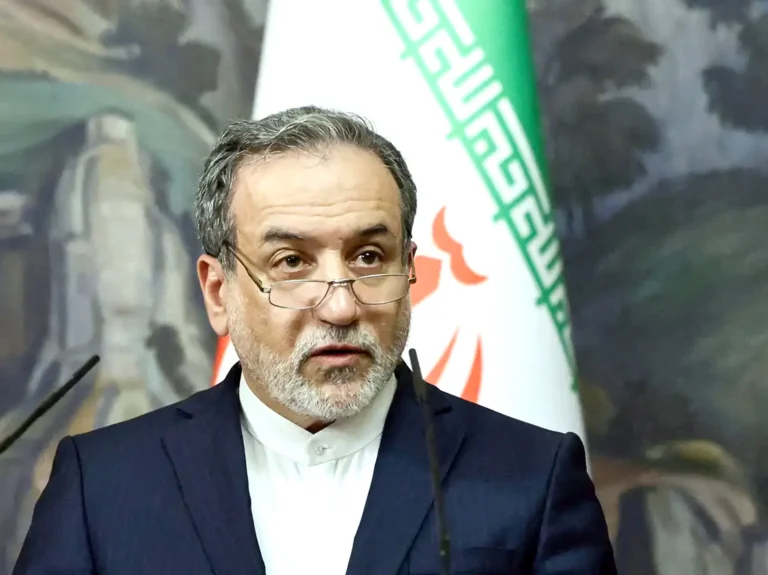
Islamabad, Pakistan – Iranian Foreign Minister Abbas Araqchi is preparing to return to Pakistan. This visit is part of a diplomatic tour aimed at exploring ways to achieve a ceasefire and resume negotiations.
It follows his visit to Oman, where he met with Sultan Haitham bin Tariq, amidst rapidly evolving developments in the region.
Diplomatic tour and regional moves
In Muscat, Araqchi discussed security in the Strait of Hormuz and the Gulf waters, as well as efforts to de-escalate tensions with the United States.
He also emphasized the need for a regional security framework free from foreign interference.
During his upcoming visit to Islamabad, he is expected to present a proposal for resuming peace negotiations. Following this, he is scheduled to travel to Moscow to continue his consultations with the Russian side.
Negotiations falter and positions diverge
In response, Donald Trump announced the cancellation of a planned visit by a US delegation to Pakistan, reflecting the stalled diplomatic process. Meanwhile, Tehran, through its president Masoud Pezeshkian, reiterated its refusal to enter into any negotiations “under threat or siege.” Reports also indicated that US forces had withdrawn security equipment from the Pakistani capital, suggesting a diminishing likelihood of imminent talks.
Military movements and ongoing pressure
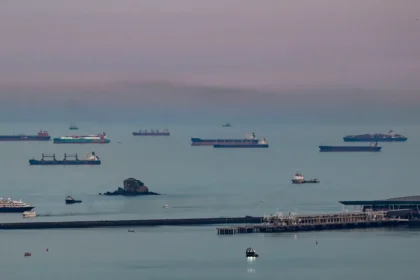
On the ground, the US Navy announced the interception of an oil tanker linked to Iran’s so-called “shadow fleet” as it attempted to circumvent the blockade. This move is seen as further evidence of the continued economic and military pressure on Tehran.
These developments coincide with escalating tensions in the region, with Benjamin Netanyahu accusing Hezbollah of violating the ceasefire agreement, threatening to widen the scope of the escalation. These moves also reflect a complex interplay between diplomatic and military tracks, amid uncertainty surrounding the possibility of reaching a comprehensive de-escalation in the near future.