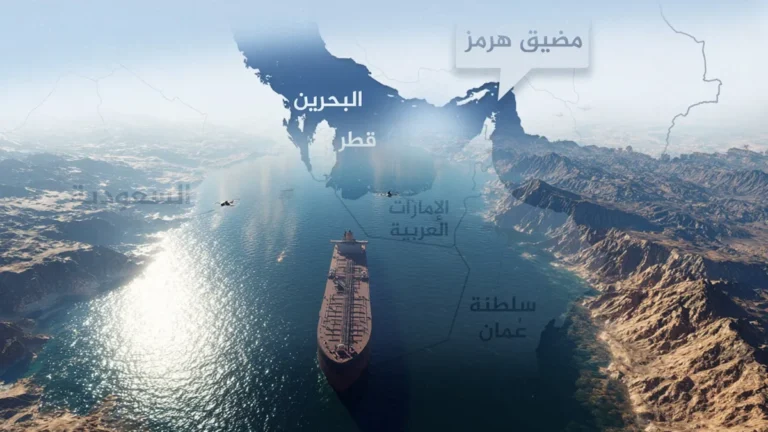
Washington – The United States announced that its naval forces successfully turned back 29 ships attempting to breach the blockade imposed on Iran, a move reflecting a significant escalation in maritime surveillance. Military officials clarified that the vessels were intercepted and redirected away from Iranian coasts to ensure total restriction of any commercial or strategic supplies. Accordingly, the impact of the naval blockade on Iran 2026 represents the pinnacle of Washington’s “Maximum Pressure” policy, shifting from economic sanctions to direct physical control over international navigation.
Tightening the Noose: How is Washington Controlling the Strait of Hormuz?
The ship interception operations are part of a comprehensive US plan to tighten oversight of vital corridors in the Arabian Gulf and the Strait of Hormuz. Obviously, US forces are adopting a “Zero Tolerance” strategy toward any attempts to circumvent restrictions, increasing the likelihood of direct friction in international waters. As a result, fears have grown regarding an unconventional Iranian response to what Tehran considers an assault on its sovereignty, placing global trade stability at risk.
Energy Markets Under Scrutiny: Repercussions of “Naval Prevention” on Global Trade
Observers believe that intensifying ship interceptions could lead to widespread disruptions in energy markets due to the region’s extreme sensitivity. Certainly, Washington aims through these maneuvers to completely dry up Iranian supply lines before entering any negotiating tracks. Accordingly, the impact of the naval blockade on Iran 2026 remains the primary driver of regional tension, amid international anticipation of how global supply chains will withstand this unprecedented naval escalation.