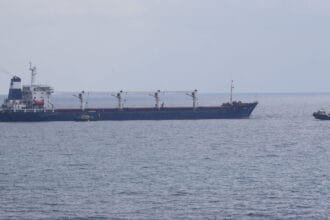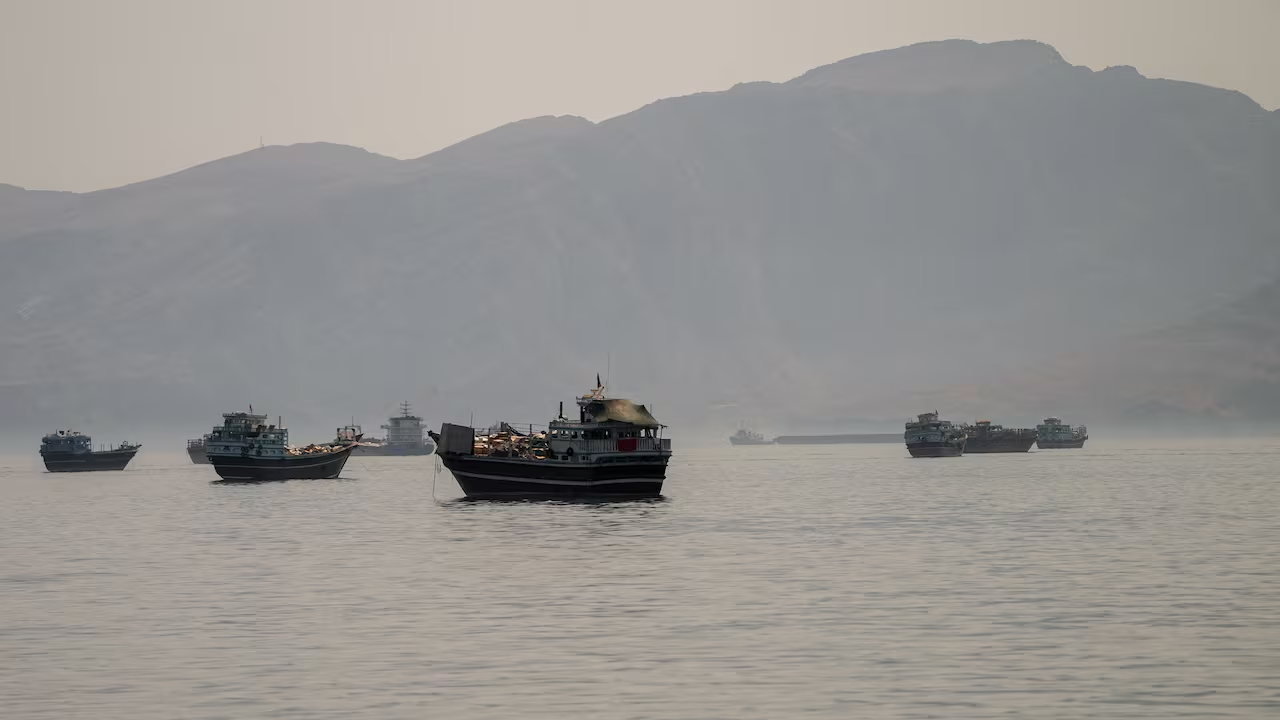
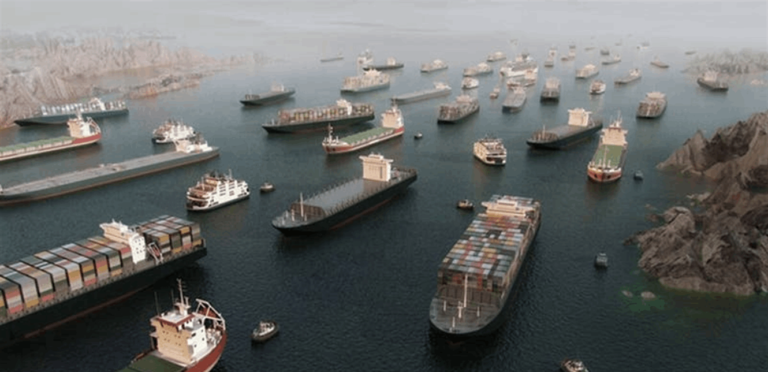
Tehran, Iran – Recent international reports reveal that Iran has reinstated strict restrictions on shipping in the Strait of Hormuz, despite its declared reopening to navigation. This comes amidst the ongoing US naval blockade. The reports indicate that passage is now contingent upon prior approval from Iranian forces and adherence to designated “safe” shipping lanes. All of this is under the direct supervision of the Islamic Revolutionary Guard Corps (IRGC), effectively limiting freedom of navigation within the strait. Navigational data also suggests that numerous vessels have been forced to alter their routes or wait outside the strait due to persistent security risks. Furthermore, there are warnings regarding naval mines and heightened military measures.
In a related development, Tehran is considering imposing fees or financial arrangements on transiting vessels under the pretext of ensuring safe passage. This would further restrict global trade through this vital waterway. Meanwhile, the United States continues its naval blockade targeting ships bound for or departing from Iranian ports, having intercepted and forced several tankers to turn back in recent days.
These developments reflect the continued tension in one of the world’s most important energy chokepoints. Approximately one-fifth of the world’s oil supply passes through the Strait of Hormuz. Therefore, any restrictions on navigation there have a direct impact on international markets. Observers believe that what is currently happening does not constitute a complete closure of the strait. Rather, it is a conditional and restricted transit regime that Iran is using as leverage against the US sanctions. It is also being used to negotiate broader political and security issues in the region.