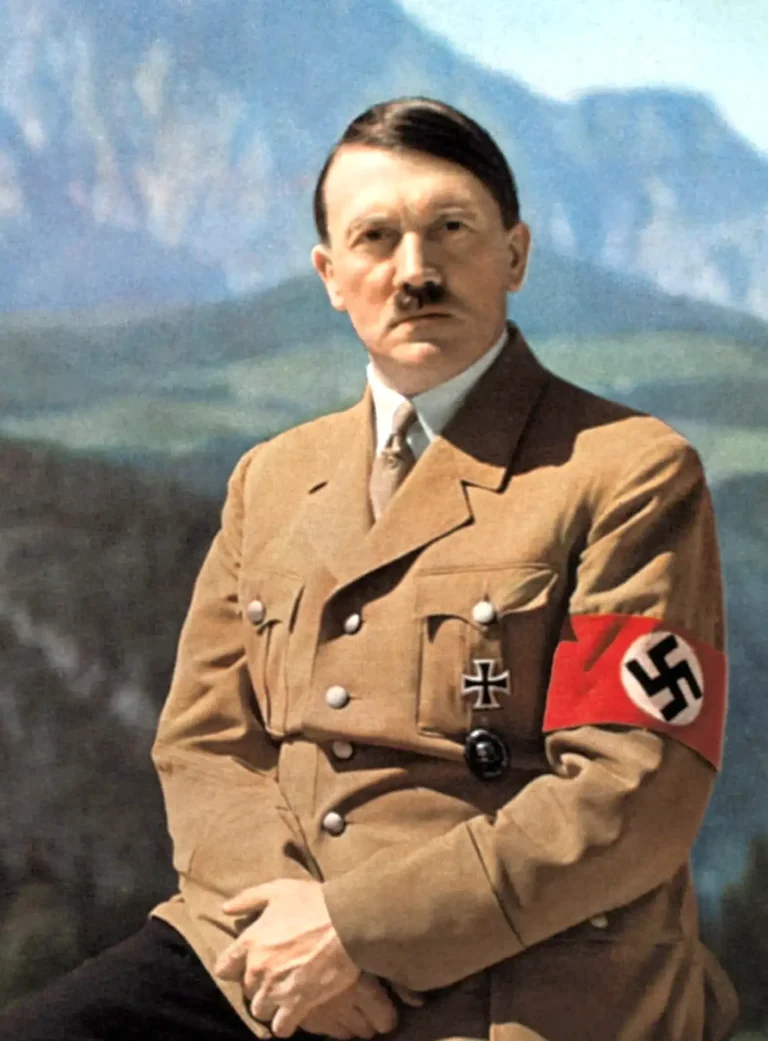
Berlin, Germany – Every year on July 20, one of the most dangerous attempts against Nazi leader Adolf Hitler resurfaces.
A number of high-ranking German army officers sought to assassinate him at his military headquarters in East Prussia,
in an operation historically known as the “July 20 Plot” or “Operation Valkyrie.”
This plot nearly changed the course of World War II.
Hitler’s continued rule would lead Germany to certain disaster
The attempt was led by Colonel Claus von Stauffenberg, a German army officer.
He was convinced that Hitler’s continued rule would lead Germany to certain disaster,
especially given the deteriorating military situation on various fronts.
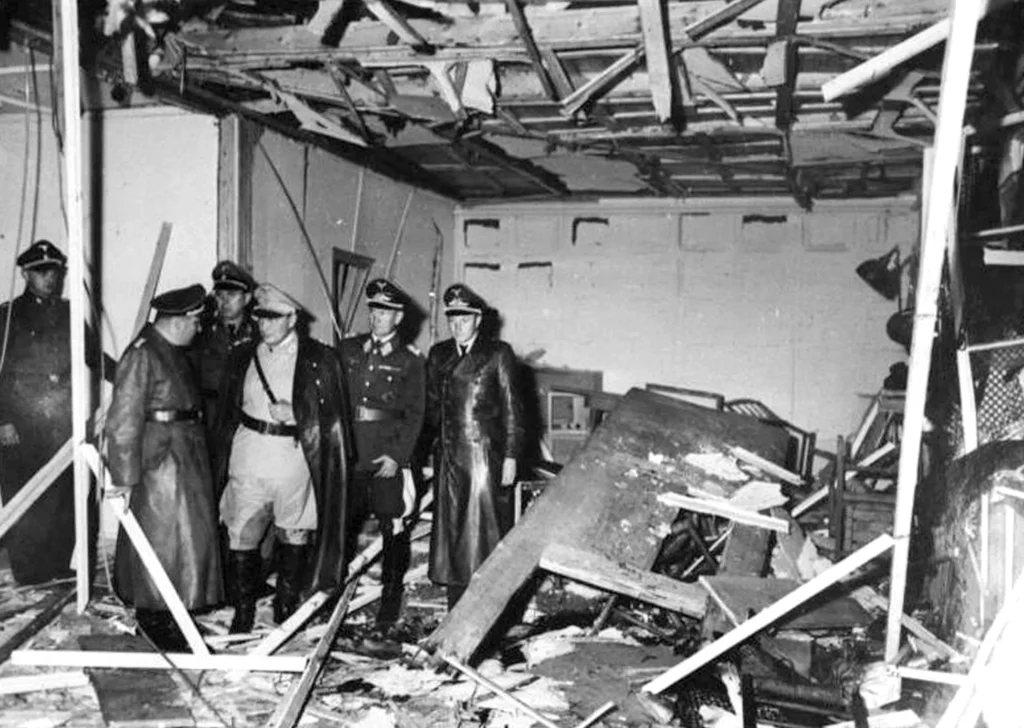
Stauffenberg placed a briefcase containing
an explosive device under the table at the meeting Hitler was attending.
He then left the room minutes before the explosion.
Luck played a crucial role in Hitler’s survival, as one of those present moved
the briefcase to the other side of a thick wooden table base.
This lessened the force of the blast directed at the Nazi leader.
Furthermore, the meeting was being held in a room with open windows,
rather than the usual concrete bunker, which also helped to reduce the pressure of the explosion.
The Nazi regime launches a widespread campaign of revenge
The bombing killed four people and injured several officers.
Hitler escaped with minor injuries, including burns, a cut on his arm, and a ruptured eardrum.
Hours later, he appeared before the media, announcing his survival,
which he used to bolster his image among his supporters.
Following the failed coup attempt, the Nazi regime launched a massive purge.
Stauffenberg and several other participants were executed that same night.
The investigation then expanded to include thousands of people,
culminating in the execution or arrest of hundreds of officers,
politicians, and civilians accused of involvement in or sympathy with the plot.
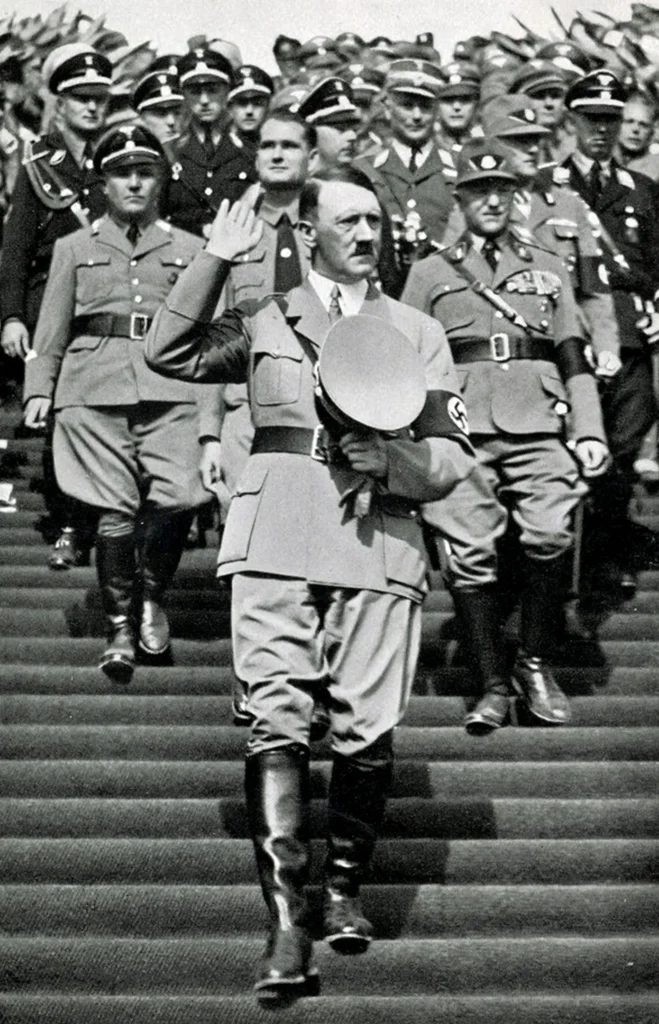
The attempted assassination of Hitler was a pivotal moment in German history
Historians believe that a successful assassination attempt could have
paved the way for ending the war in Europe months earlier than planned.
It might also have significantly reduced the scale of destruction
and human losses suffered by the continent in the final months of World War II.
The memory of the attempted assassination of Hitler remains a pivotal moment in German history,
symbolizing resistance to the Nazi regime from within its own military establishment.
It also demonstrates that opposition to Hitler was not limited to external forces
but extended to prominent figures within the army itself.