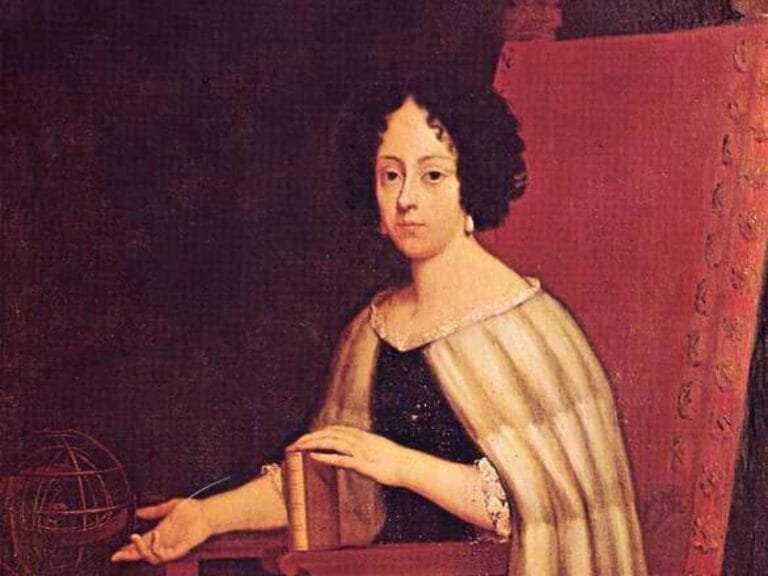
Venice, Italy – Elena Cornaro Piscopia remains a landmark figure in the history of human thought and university education. She was the woman who defied the rigid norms of the 17th century. Eventually, she became the first woman in the world to earn a Doctorate in Philosophy. Her achievement was not merely an academic degree; it was an intellectual earthquake that changed the course of educational history forever.
Early Life and Remarkable Excellence
Born in 1646 in Venice to an aristocratic family, it soon became clear that this child was unlike any other. She displayed remarkable aptitude for languages, mastering Latin, Greek, and Hebrew. Additionally, she excelled in living European languages. Her passion was not limited to linguistics; she delved into the depths of philosophy, mathematics, and theology. As a result, she became the focus of scientific circles in her time.
The Battle of Science Against Tradition
At a time when university enrollment was an absolute male monopoly, Cornaro faced a wall of conservative circles and clergy. These groups refused to grant a woman a high academic degree. However, her scientific brilliance left no room for rejection. She proved her merit at the University of Padua—one of Europe’s oldest universities at the time. This ultimately forced everyone to respect her intellect and excellence.
1678: A Milestone in Educational History
In 1678, Elena stepped into history when she defended her doctoral thesis in Philosophy before a large gathering of scholars and intellectuals. The success was not just a personal victory; it was a triumph for women’s right to education. andFurthermore, it served as a practical demonstration that mental capacity is not governed by gender laws.
An Eternal Legacy for Women’s Education
Elena Cornaro’s life was not limited to the title of “the first female doctor”; over time, she became a global icon for the struggle for women’s right to education. With her perseverance, she paved the way for thousands of female academics and researchers who followed. Consequently, transformingshe transformed herself from a passionate noblewoman into a symbol of intellectual liberation.
Historians today view Cornaro’s story not just as a biography, but as a pivotal turning point in the history of “educational equality.” After more than three centuries, her name continues to echo in the halls of global universities. It stands as a constant reminder that will and knowledge are the true keys to breaking the toughest traditional barriers.