
Washington, United States – NASA is facing a strategic challenge in the form of a critical need for radical upgrades to its aging infrastructure. Financial estimates indicate that the cost to modernize vital space facilities may exceed $1 billion, ensuring the agency’s readiness to support new space ambitions, led by the program to return to the Moon.
Aging Infrastructure in Need of a Tech Leap
The modernization plan revealed by the agency includes upgrades to launch pads, testing centers, and engineering facilities, some of which date back to the “Apollo” era of the 1960s. While these facilities played a pivotal role in historical space achievements, they can no longer meet the requirements of the new generation of giant rockets and advanced spacecraft with their current efficiency.
NASA emphasized that these upgrades are not merely a technical luxury, but an urgent necessity to enhance operational safety and reduce the risk of technical failures that could endanger human missions, especially as the agency approaches the execution of the ambitious “Artemis” program stages.
“Artemis”: The Path to the Moon and Mars
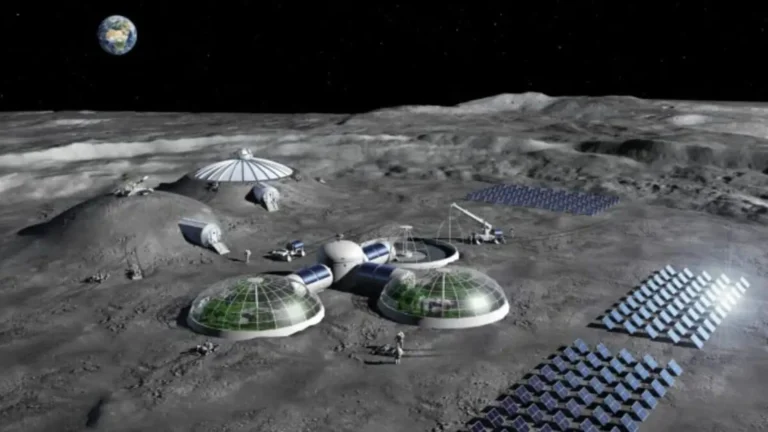
This direction comes as the agency strives to establish a sustainable human presence on the lunar surface, a fundamental waypoint for further exploration plans, specifically toward Mars. The agency believes that the success of these missions depends directly on the robustness of the terrestrial infrastructure that manages launch operations, preparation, and technical monitoring.
In this regard, NASA is working to strengthen its partnerships with the private sector and space industry partners to execute these ambitious plans, amidst a fierce international space race between major global powers.
A Long-Term Investment for the Future of Space
Space sector analysts view the expenditure of over $1 billion to modernize these facilities as a “strategic long-term investment.” The impact of this upgrade will not be limited to lunar missions; it will extend to strengthening U.S. research capabilities in advanced technology fields and ensuring U.S. leadership in the space sector for decades to come.
As the critical dates for “Artemis” missions approach, NASA continues to assess its financial and technical needs with precision, realizing that the path to “deep space” begins on Earth, and the readiness of its facilities is the key to opening new horizons for human travel beyond our planet.