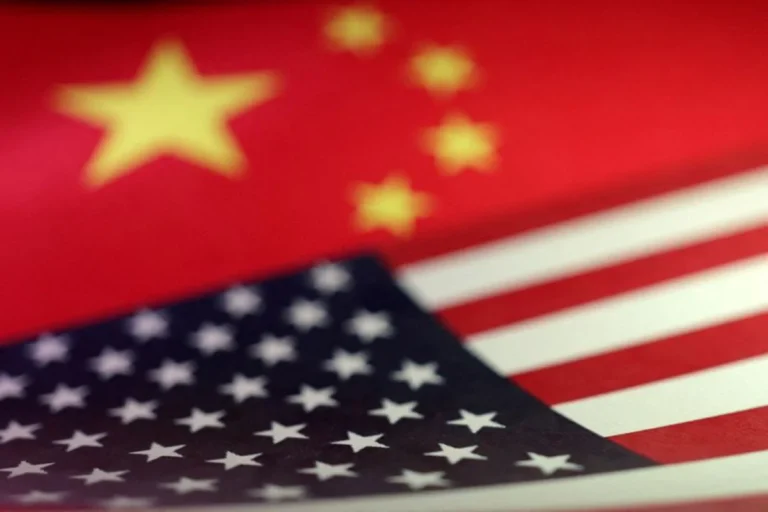
Beijing – China’s Ministry of Commerce announced the imposition of steep financial security deposits on imports of pecans originating from the United States and Mexico. Consequently, the decision underscores renewed trade tensions between Beijing and Washington just weeks before a scheduled summit between U.S. President Donald Trump and Chinese President Xi Jinping in September.
Furthermore, the ministry stated that preliminary findings from an investigation initiated in September 2025 determined that American and Mexican pecan imports were being dumped in the domestic market at unfairly low prices, causing material injury to China’s agricultural producers. As a result, Chinese Customs will require importers to post a 54.3% security deposit on all U.S. pecan shipments starting Tuesday, while rates for Mexican firms range between 17.8% and 51.6% based on company cooperation.
Trade Leverage and Agricultural Sector Impacts
On the other hand, the measure follows a series of counteractions by Beijing, including sanctions against select U.S. entities and stricter export controls on drone-related technologies. Specifically, China’s trade posture aims to protect domestic agricultural sectors while maintaining strategic leverage in broader economic and technology supply chain negotiations.
Additionally, pecans have historically served as a target in U.S.-China trade disputes, having previously faced tariffs as high as 47% during President Trump’s first term. Consequently, those measures heavily impacted American growers across major producing states, including Georgia and Arizona. Ultimately, the new deposit requirements highlight Beijing’s willingness to employ trade remedies amid delicate diplomatic negotiations.
Finally, the imposition of provisional anti-dumping deposits on U.S. pecans reflects the delicate balance governing U.S.-China trade relations leading up to the presidential summit. Ultimately, the outcome of the final anti-dumping ruling and bilateral discussions in September will dictate the future trajectory of agricultural trade between the two powers.