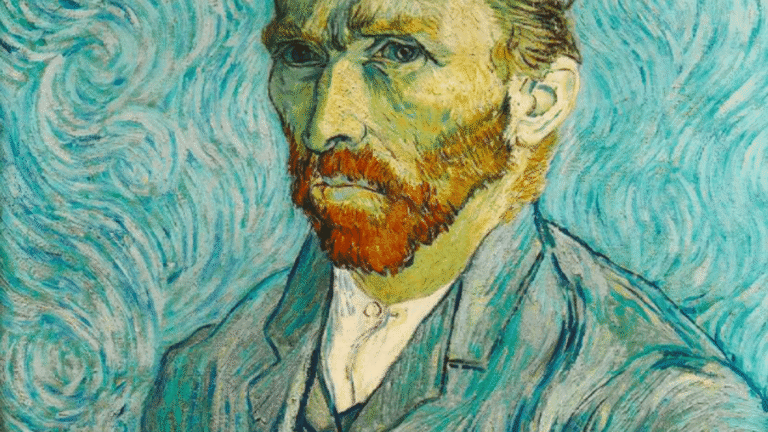
Amsterdam – Major international museums are facing an increasing wave of legal lawsuits demanding the restitution of rare paintings by Dutch artist Vincent van Gogh, amid a growing debate over the legitimacy of their historical ownership. The roots of the crisis trace back to claims from the heirs of art collectors who assert that these paintings were forcibly seized or sold under duress during Europe’s eras of conflict and war. Accordingly, the restitution of Van Gogh paintings has become a complex issue pitting historical justice against the legal stability of major art collections.
Ownership Conflict: Were Van Gogh’s Works Sold Under Nazi Threats?
Most cases focus on the rise of the Nazi era, where claimants allege that Van Gogh’s paintings were among the properties illegally confiscated. Obviously, proving these claims requires intricate legal reviews and a meticulous examination of historical ownership chains dating back decades. As a result, museums and art institutions defend their possession of these works, insisting they were acquired through documented legal transactions, while pointing out that some claims lack conclusive evidence.
Reshaping the Art Map: Repercussions of Legal Disputes on Global Museums
This conflict reflects a broader trend of cultural heritage restitution cases in Europe, as families seek to recover lost historical rights. Certainly, settling these cases could lead to reshaping global art maps and stripping major museums of some of their most iconic pieces. Accordingly, the restitution of Van Gogh paintings remains at the center of a complex relationship between art, politics, and history—a scene confirming that billion-dollar paintings are not just aesthetic pieces, but witnesses to political upheavals whose chapters are not yet closed.