London, Britain – European energy markets saw a sharp rise in trading on Monday morning. Gas prices surpassed $700 per thousand cubic meters for the first time since March 23. This price surge is directly driven by the instability resulting from the repeated rounds of military escalation between the United States and Iran in the Gulf region.
Stock market indicators and price developments
According to data from the London Stock Exchange (ICE), August gas futures contracts at the Dutch TTF hub saw a significant increase, reaching approximately $716 per thousand cubic meters. This equates to €60.515 per megawatt-hour. These contracts have recorded gains exceeding 5% since the start of the trading session. This reflects the prevailing investor anxiety regarding the security of global energy supplies amidst ongoing conflicts.
Geopolitical reasons for the escalation
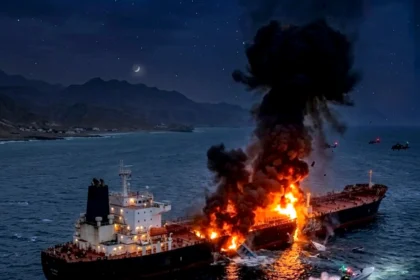
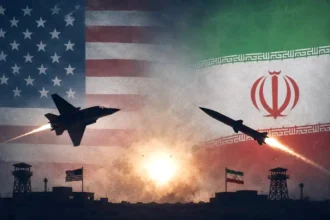
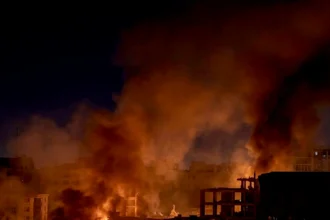
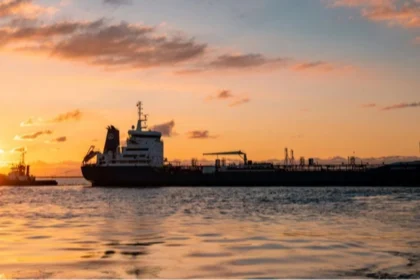
This rapid escalation stems from the intensification of the regional conflict that began on July 8, following a series of US military strikes inside Iranian territory. These strikes were in response to an attack on a commercial vessel in the Strait of Hormuz. US President Donald Trump’s announcement of the end of the truce with Iran further inflamed the situation on the ground. In response, Tehran launched retaliatory attacks targeting US military sites in several Gulf states, including Bahrain, Jordan, Qatar, Kuwait, the UAE, and Oman.
These tit-for-tat strikes have raised market fears of a repeat of supply disruptions through vital sea lanes, particularly the Strait of Hormuz, a crucial artery for global energy trade. These developments come at a sensitive time when markets are already under additional pressure. Consequently, any threat to regional stability is immediately reflected in European energy bills.
European energy security challenges
Despite declared political efforts in Europe to reduce dependence on Russian energy sources, the economic reality appears more complex. In this context, Italian Deputy Prime Minister Matteo Salvini previously stated that Europe still finds it extremely difficult to completely dispense with Russian oil and gas. He pointed out that political pronouncements on this matter clash with market realities and challenging supply chains. With tensions persisting in the Middle East, European markets seem poised to remain on alert for volatile prices. This situation will likely continue in the absence of any signs of an imminent de-escalation between Washington and Tehran.