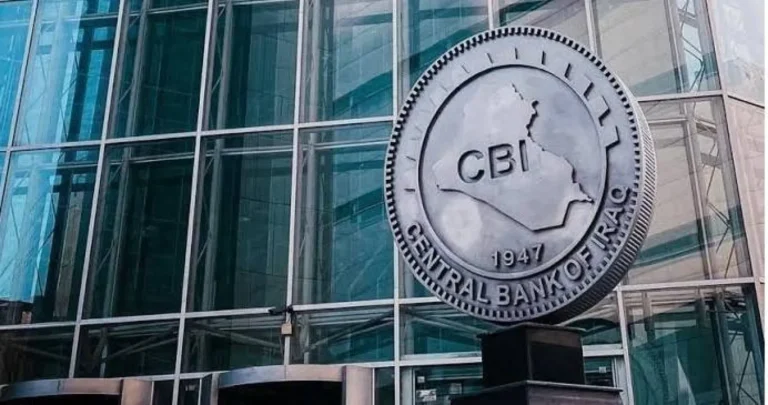
Baghdad, Iraq – Data released by the Central Bank of Iraq showed a decline in the country’s key financial indicators during April 2026. Foreign reserves fell to $97.809 billion by the end of the month, compared to $100.341 billion in March of the same year.
The decline in the Central Bank of Iraq’s foreign and gold reserves reflects current financial challenges. Furthermore, it highlights the pressures facing monetary policy amidst regional and international economic shifts.
Gold data and investments
In a related development, gold reserves saw a slight decline, reaching 33.925 trillion dinars at the end of April, down from 34.277 trillion dinars in March.
These figures come as the Central Bank continues to manage its investment portfolio cautiously, aiming to ensure the stability of the national currency.
The data also showed a decline in the bank’s investment portfolio, which recorded 92.661 trillion dinars in April, compared to 95.317 trillion dinars in the previous month. This decrease reflects changes in the structure of the assets and financial holdings managed by the bank. This comes amidst efforts to stabilize monetary balances in the market.
Decrease in cash reserves
Regarding domestic liquidity, the cash reserves held by the Central Bank of Iraq saw a significant decrease, reaching 566 billion dinars at the end of April, compared to 849 billion dinars in March.
This decline indicates an increase in withdrawals or outflows of cash. Consequently, liquidity management is being closely monitored by the relevant authorities to ensure the availability of local currency to meet market needs.
Economic experts believe that these declines in assets and reserves necessitate a careful review of current fiscal policies, particularly in light of the challenges facing the region and the potential impact on the balance of payments.
The focus remains on the measures the Central Bank of Iraq will take in the coming period to bolster foreign currency reserves and ensure the stability of the Iraqi dinar’s exchange rate amidst global economic fluctuations. These fluctuations directly impact the economies of oil-producing nations, including Iraq, which relies heavily on crude oil exports to replenish its foreign currency reserves.