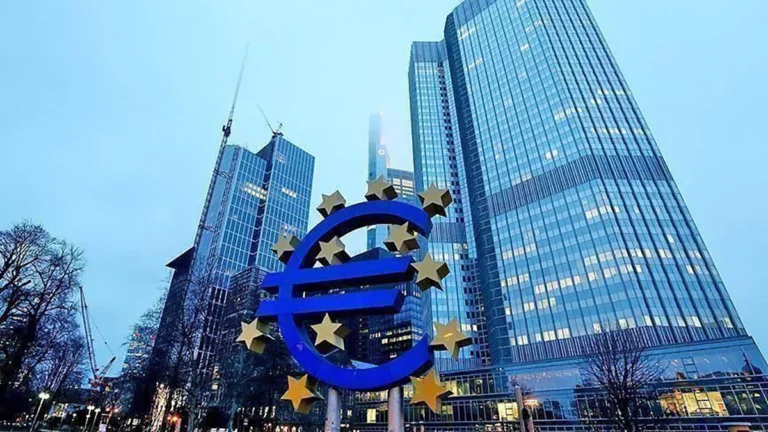
BRUSSELS, BELGIUM – The European Bank for Reconstruction and Development (EBRD) announced on Wednesday that it was lowering its forecasts for economic growth in the regions where it invests. The reason was attributed to the violent energy crisis resulting from the escalation of the Middle East war, which caused severe damage to the European economy compared to its American counterpart, according to what was reported by Agence France-Presse. This step comes at a time when international markets are suffering from financial instability. In addition, there are irregular flows in global energy supplies due to the ongoing conflict.
The European Bank for Reconstruction and Development (EBRD), headquartered in London, explained in its latest periodic economic outlook report, which focused specifically on the Middle East and North Africa, that the energy price gap has become increasingly apparent. The report stated that “electricity prices in Europe are now significantly higher than those in the United States.” It attributed this large price difference to structural imbalances in regional energy markets caused by the war. As a result, operating costs for the industrial and service sectors in Europe have increased.
Based on current geopolitical realities, the European Bank for Reconstruction and Development (EBRD) forecasts a slowdown in GDP growth across all its regions of operation. Growth is expected to reach 3.1 percent this year, down from 3.4 percent in 2025. This marked slowdown comes at a time when Europe has become more vulnerable to external shocks. This is due to its significantly higher reliance on hydrocarbon imports (oil and gas) to meet its domestic needs compared to the United States, which enjoys greater energy self-sufficiency.
Bank experts noted that the ongoing military operations and disruption of vital shipping lanes in the Gulf and the Strait of Hormuz have contributed to increased shipping and insurance costs. This has negatively impacted supply chains and inflation rates.
This latest downturn places additional pressure on European monetary policymakers. They face the dilemma of balancing interest rates to support economic growth on the one hand, and combating imported inflation caused by rising fuel and electricity prices on the other. This comes amidst a lack of any clear prospect for ending the diplomatic and military crisis in the region.