New Delhi, India – In a severe blow to India’s agricultural sector, the Indian Meteorological Department announced on Friday, May 29, 2026, that it has lowered its forecast for this year’s southwestern monsoon rainfall to just 90% of the long-term average. This is a significant drop from the 92% forecast issued in April. This revision officially places India in the category of countries at risk of “below normal” rainfall. There is also a worrying 60% probability of slipping into “severe water shortages.”
Security and economic risks
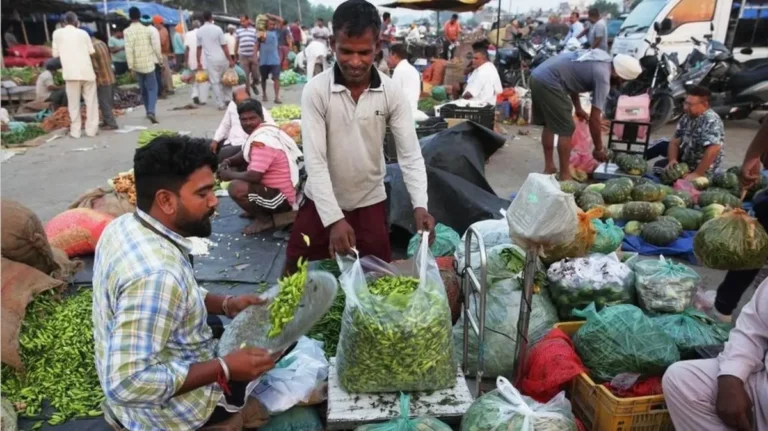
These projections come at a critical time for Indian farmers, who are facing mounting pressure. The soaring costs of agricultural inputs, exacerbated by supply chain disruptions due to the conflict in the Middle East, are compounding the burdens of climate change.
Concerns are particularly acute in northwest, central, and southern India. These regions, considered the breadbasket of the country, rely heavily on rainfall to cultivate strategic crops such as rice, pulses, soybeans, cotton, and maize.
The agency attributes this downward revision to the increasing influence of El Niño in the Pacific Ocean. Additionally, the Indian Ocean’s dipole-like conditions are weakening monsoon circulation, particularly in the second half of the season. Furthermore, the expected rainfall in Kerala is now forecast to arrive later than usual, in late May, until the first week of June.
Implications for inflation and food security
The repercussions of this crisis extend beyond reduced agricultural productivity, posing direct threats to the national economy. Even when total rainfall approaches 90%, the uneven spatial and temporal distribution of rain threatens to delay planting seasons. This inevitably leads to higher input costs, reduced yields, and consequently, exacerbates “food inflation,” which erodes the purchasing power of Indian citizens.
This forecast also places additional pressure on groundwater levels and strategic reserves in dams. This presents the government with complex logistical challenges.
Authorities have begun issuing urgent recommendations to farmers to activate contingency plans, adopt efficient irrigation techniques, and use drought-resistant seeds to minimize losses. These are the lowest forecasts in years. Therefore, the current season is a true test of agricultural resilience in India, pending more accurate monthly updates from the Indian Meteorological Department, which will determine the course of agricultural and food policies in the coming months.