London, England – Amid the alarming escalation of military tensions between the United States and Iran, British Prime Minister Keir Starmer delivered a frank and direct message to his citizens, emphasizing the need to prepare for potential changes in daily life.
While Starmer stressed the importance of not giving in to panic, he clearly acknowledged that the economic consequences of the conflict could force citizens to reconsider their shopping habits, travel plans, and summer holiday destinations.
Emergency meeting to assess economic damage
The Prime Minister is scheduled to chair an emergency meeting of the British government next Tuesday, devoted entirely to discussing the economic repercussions of the direct confrontation between Washington and Iran.
This meeting, with high-level participation from representatives of the Bank of England, aims to conduct a thorough and accurate assessment of the war’s impact on global oil and gas markets. The meeting will also discuss disruptions to international trade and delays in the delivery of essential goods. Furthermore, it will focus on monitoring inflation rates, which could strain the budgets of British households.
Rescue plan: Expected government measures
In a related development, the British government is working hard to find mechanisms to alleviate the financial pressures on citizens.
According to reports in The Guardian and The Times, Chancellor Rachel Reeves is currently considering a range of bold options. These include exploring a proposal to freeze rent increases for a full year.
The government also offered grants and incentives to ensure heating and electricity costs remained under control, and canceled any previously planned fuel tax increases to prevent a rise in transportation costs. These measures come at a time when experts fear a war with Iran could trigger a new wave of inflation that would destabilize prices in the UK, particularly given the anticipated increase in production and service costs.
Shipping and waterway challenges
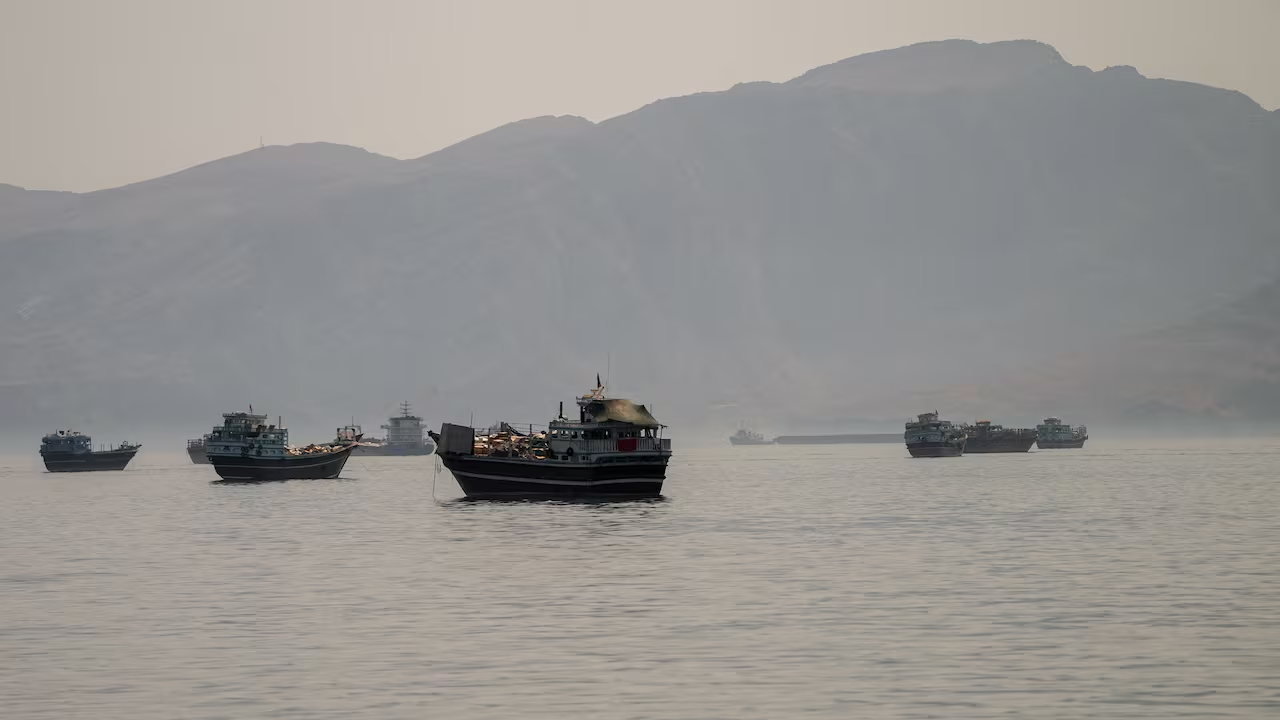
In a statement, Starmer affirmed that Britain is undertaking intensive diplomatic efforts to de-escalate tensions and secure vital shipping lanes. However, he cautioned that the resumption of navigation in the Strait of Hormuz does not necessarily signify the end of the economic crisis, as the cumulative effects on global markets could persist longer than some anticipate. This necessitates patience and flexibility in addressing future economic developments.