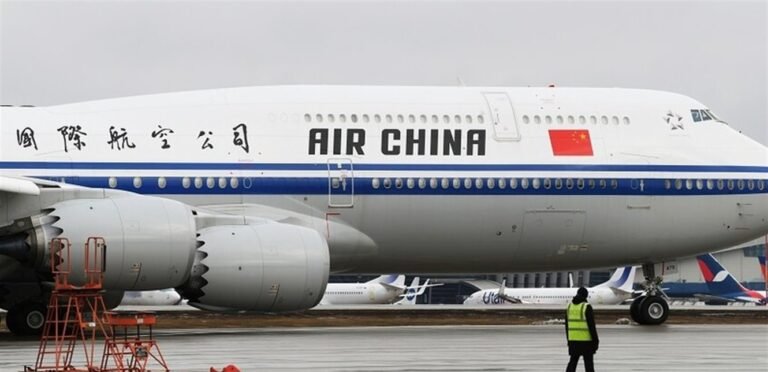
Beijing, China – In a further reflection of the impact of the Middle East conflict on the global economy, Chinese airlines have begun raising domestic airfares. This comes amid rising operating costs and increasing pressure on the aviation sector.
Chinese media reports indicate that major airlines have been gradually adjusting their prices in recent days. This is attributed to the surge in global fuel prices, a consequence of geopolitical tensions and disruptions to some oil supply routes.
Jet fuel is a major cost component in the aviation industry, and any disruption in energy markets directly impacts ticket prices. Therefore, these circumstances have prompted airlines to pass on some of the increased costs to passengers, particularly on high-demand domestic flights.
Reports also indicate that some airlines have reassessed their operational plans, including reducing the number of flights on some less busy routes. Conversely, they have increased fares on busier routes to offset potential losses.
Analysts believe that continued tensions in the Middle East could drive prices even higher in the coming period. The effects will not be limited to China but will extend to the global aviation sector. This comes as markets await any developments that might affect energy supplies or air traffic.
This situation reflects the interconnectedness of the global economy. Regional crises are no longer confined to their geographical boundaries. Their effects quickly spread to vital sectors such as transportation and tourism. Thus, the end consumer finds themselves facing a new bill: the “repercussions of war.”