Brussels, Belgium – European countries are racing against time to find safe alternatives to the Strait of Hormuz, amid escalating military tensions in the Gulf region and fears of disruption to global energy supplies through one of the world’s most important maritime chokepoints for oil and gas.
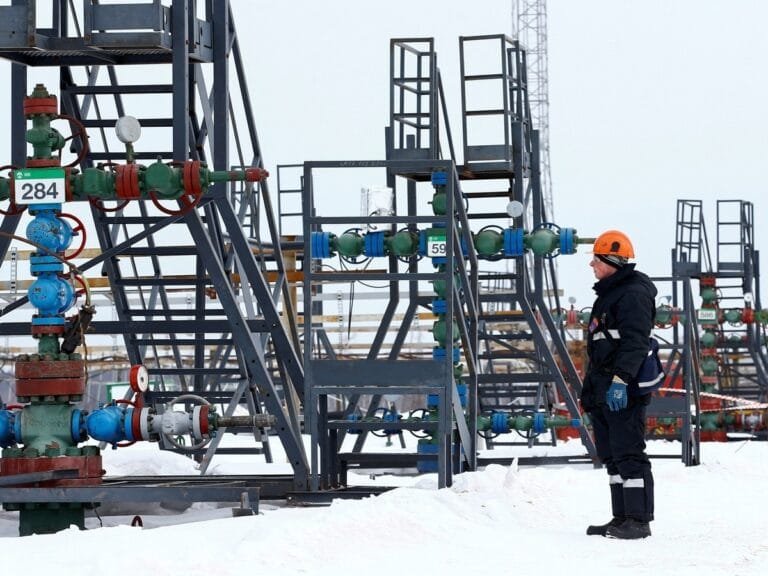
According to European reports, EU governments and major energy companies have begun studying contingency plans to secure the continent’s oil and gas needs in the event of any disruptions or potential closure of shipping in the Strait of Hormuz. This comes as a result of the military escalation in the region.
It is estimated that about one-fifth of the world’s oil supply passes through the strait. Therefore, any threat to it is a major concern for European economies, which rely to varying degrees on energy from the Gulf region.
Europe is exploring several alternatives, including increasing reliance on pipelines from Central Asia and the Mediterranean. This also includes boosting liquefied natural gas (LNG) imports from the United States and Africa. Additionally, countries are increasing their strategic oil reserves as a precaution against any emergencies.
Some European countries are also considering expanding cooperation with energy-producing nations outside the Gulf. Furthermore, these countries are seeking to accelerate their transition to renewable energy to reduce dependence on sensitive maritime routes.
This European move comes amid international warnings that any disruption in the Strait of Hormuz could lead to a sharp rise in global energy prices. This could also directly impact international markets and economies. For this reason, these circumstances are pushing major powers to seek swift solutions to secure vital supplies.