Baghdad, Iraq – In response to public and human rights demands, the Iraqi parliament dedicated part of its session on Monday to discussing the water pollution crisis in the Tigris and Euphrates rivers. This discussion came amidst environmental and health reports warning of an unprecedented national disaster.
Alarming figures: 6000% increase in kidney failure
The Iraqi Green Observatory, an environmental monitoring organization, revealed shocking data based on statements by MP Youssef al-Kalabi. The observatory confirmed that kidney failure rates in Iraq have skyrocketed by a catastrophic 6,000%. Furthermore, this increase has been accompanied by a steady rise in cancer rates. The observatory indicated that the Iraqi Ministry of Health possesses clear data on these figures and added that the causes are directly linked to water quality.
“Daily killings” and the responsibility of institutions
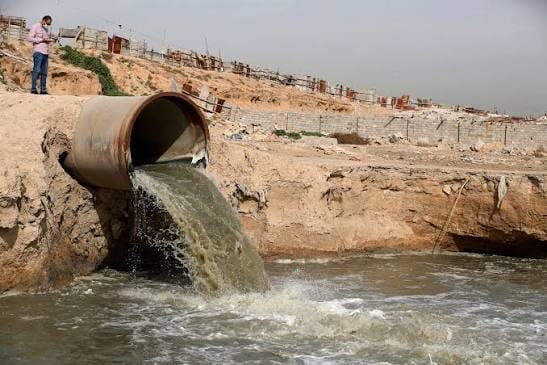
MP Youssef al-Kalabi described the current situation as a “daily killing” of Iraqi citizens, resulting from the direct dumping of sewage and highly toxic chemicals into rivers, which are the primary source of drinking water. Al-Kalabi also confirmed that Parliament would discuss today what he termed an “environmental massacre,” the effects of which extend from the capital, Baghdad, to Basra province in the far south.
In this context, Al-Kalabi revealed that the Iraqi judiciary has already ordered the imposition of the “harshest penalties” against the negligent government institutions, most notably the Baghdad Municipality, the Ministry of Construction, Housing and Municipalities, and the Ministry of Health. Al-Kalabi accused them of directly causing this pollution, which threatens the lives of millions.
Supreme reference position
These parliamentary moves align with the position of the highest religious authority in Najaf. Earlier this month, the office of Grand Ayatollah Ali al-Sistani issued a fatwa prohibiting the discharge of untreated sewage or the dumping of medical and chemical waste into rivers.
The religious authority deemed this act harmful to the public and considered it religiously forbidden. It also called upon the relevant authorities to uphold their moral and legal responsibilities in protecting the environment and public health.
This session was convened in response to pressure from the “Green Iraq” Observatory, which had previously called for an extraordinary parliamentary session, warning that pollution had reached dangerously high levels that could no longer be ignored. Furthermore, Iraqis are awaiting tangible outcomes from this session. They hope it will move beyond mere parliamentary debates and lead to practical measures to purify river water and put an end to the environmental violations that have persisted for years. This is all happening against a backdrop of deteriorating infrastructure at water treatment plants across the country.