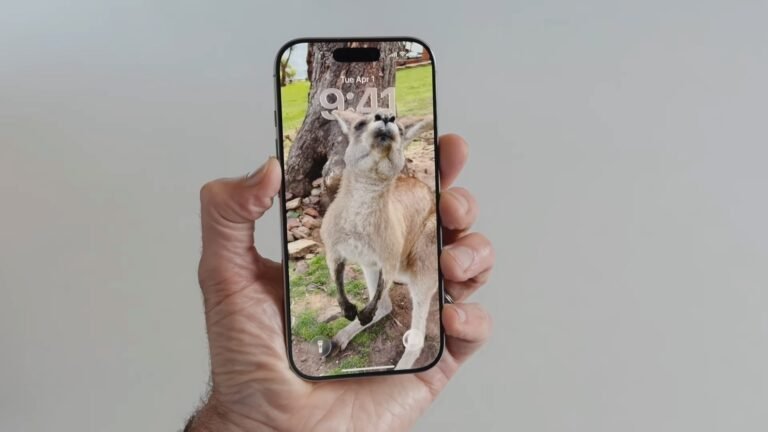
Copenhagen – In a move reflecting Apple’s continued focus on personalizing the user experience, leaked updates for iOS 26 have revealed a revolutionary feature allowing users to create and customize 3D wallpapers on iPhones. This addition marks a significant shift in the system’s visual interface, granting iPhone screens an unprecedented vitality that goes beyond the traditional static images users have relied on for years.
The new feature utilizes advanced technology to convert standard photos into dynamic wallpapers with visual depth and motion effects that react to the phone’s tilt and viewing angle. This approach gives both the home and lock screens a more interactive feel, where primary image elements appear separated from the background, creating an immersive visual experience that blends aesthetic design with the technical power of the upcoming operating system.
Simple Steps and Professional Results via AI Power
The mechanism for using this feature relies on simple software steps to ensure a smooth experience for the average user. The process begins by entering wallpaper settings, selecting a suitable image, and then enabling the “3D Effect” option. The system allows users to adjust precise levels of depth, motion speed, and shadows before saving and applying the final design. In this update, Apple leverages the neural processing capabilities of its devices to intelligently identify dimensions and isolate elements with high professionalism.
Beyond aesthetics, the feature benefits from advanced AI algorithms that analyze image layers and understand content, ensuring the effect appears natural without compromising battery life or device performance. This move reflects Apple’s ability to employ complex technology in simple tools, giving the user a sense of uniqueness and full control over their personal device’s appearance.
Apple’s Strategy for a “Personalized Experience” Future
Tech analysts believe this step is part of Apple’s broader strategy to bolster the concept of a “Personalized Experience” across its devices. By granting users flexible tools to control the system interface, the company moves away from rigid templates and opens new horizons for individual creativity. This feature is expected to spark a new wave of design and customization apps in the App Store, enriching Apple’s ecosystem with interactive interface experiences that combine innovation and intelligence.
In conclusion, iOS 26 represents a new chapter in smartphone interface history, where the phone is no longer just a communication tool but a means of personal expression. As users become increasingly interested in fine visual details, Apple continues to lead by providing technical solutions that make using the iPhone a daily renewed experience, awaiting the full official unveiling of all system features at the annual developers’ conference.