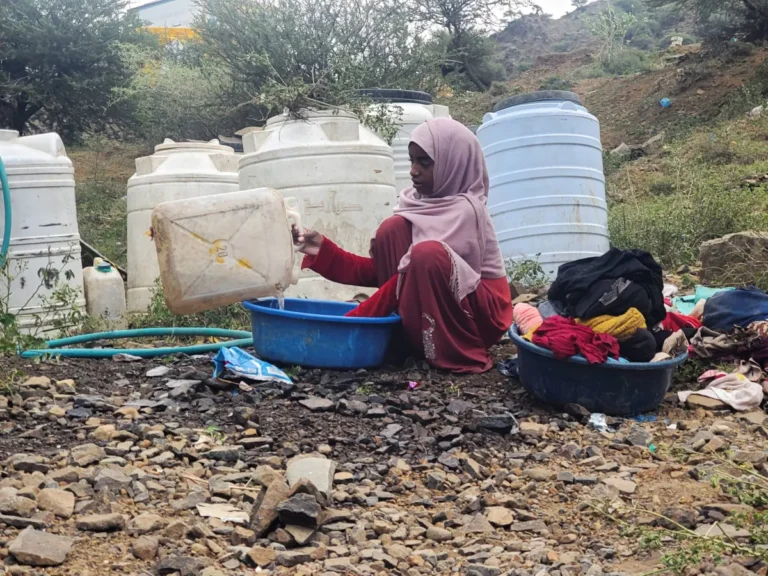
Geneva, Switzerland – The UN Office for the Coordination of Humanitarian Affairs (OCHA) has issued urgent warnings regarding the catastrophic consequences of ongoing fighting and military escalation in Yemen, emphasizing that the intensifying violence is forcing thousands of civilians to flee their homes. The violence also places immense strain on relief and humanitarian operations that are already struggling.
Appalling displacement and civilian casualties
An OCHA report indicated that at least 18,000 families—representing approximately 125,000 people—have been forced to flee their homes since the beginning of this month. Concurrently, the number of civilian casualties resulting from the fighting is rising; the UN Human Rights Office has documented 40 civilian casualties between September 1 and today. These incidents resulted in eight deaths and 32 injuries. The report also noted that women and children account for exactly half of the fatalities and more than half of the injured, reflecting the heavy human cost of the conflict.
Logistical obstacles and a severe lack of funding
Regarding the field response, the Office for the Coordination of Humanitarian Affairs (OCHA) confirmed that UN teams and their local and international partners are making every effort to respond to the crisis, despite harsh working conditions. Emergency assistance has been provided to thousands of families as of September 12. However, the Office warned of an exacerbating, severe shortage of relief supplies and highlighted the failure of international funding to meet escalating humanitarian needs.
The UN system also warned that relief operations and the movement of field teams are facing severe restrictions and obstacles due to the deteriorating security situation. Relief movements to various locations along Yemen’s west coast and in the interior remain largely suspended, while vital main roads are subject to strict restrictions or rendered impassable by clashes. OCHA reiterated its urgent call for all parties to the conflict to uphold the protection of civilians, stressing the need to respect the rules of international humanitarian law and to facilitate the safe and unimpeded passage of aid.
Flight to Djibouti and Regional Response Efforts
In a related development regarding the repercussions of the escalation, UN Deputy Spokesperson Farhan Haq announced during the daily press briefing that UN teams in Djibouti are working closely with the local government to manage the influx of people fleeing the conflict. He noted that approximately 2,300 people have already arrived in the Obock region of northern Djibouti—located on the Red Sea coast opposite Yemen—with the flow of arrivals expected to continue. Djiboutian authorities, supported by UN partners, are moving quickly to provide immediate humanitarian aid, including water, food, and basic shelter supplies.