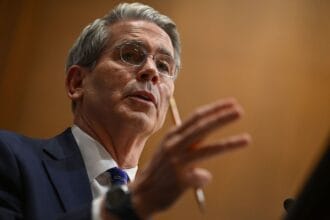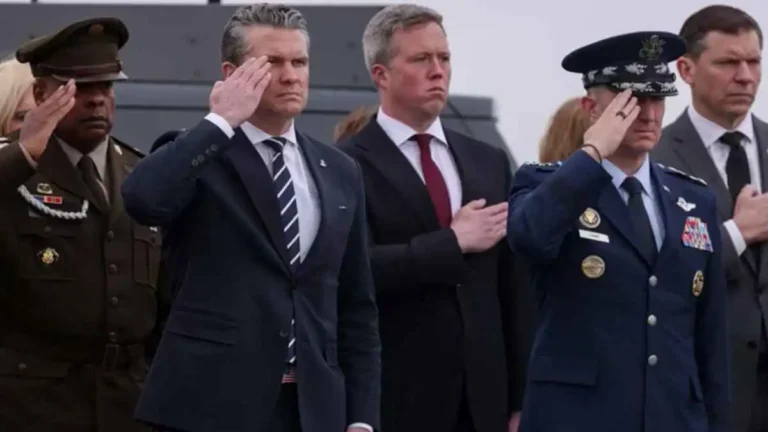
Washington, DC – US Army Secretary Dan Driscoll has formally submitted his resignation to President Donald Trump. This follows months of friction and ongoing tensions with Secretary of Defense Pete Hegseth. The disagreement centered on the direction of the military and the dismissal of senior officers.
Details of the resignation and disagreements within the Pentagon
According to CNN and The Wall Street Journal, officials and informed sources indicated that the resignation was not unexpected. In his resignation letter, Driscoll raised fundamental concerns regarding the administration’s vision for the transformation and readiness of the military. He also accused Higseth of obstructing these efforts by removing the generals responsible for them, most notably the Army Chief of Staff, General Randy George. White House Press Secretary Anna Kelly affirmed that Driscoll had played a “highly effective” role in implementing Trump’s agenda to strengthen the military. She also praised his leadership in key missions and his contribution to the negotiations between Russia and Ukraine. She noted that the White House has not yet formally accepted the resignation. The exact date of his departure remains unclear, and it is expected that Under Secretary Mike Obadal will assume his duties temporarily.
Background to the conflict and the White House’s framing of friendship
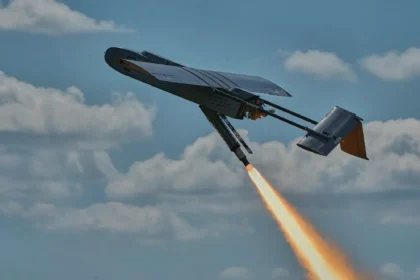
This rift comes as the war with Iran enters its sixth month with no end in sight. Driscoll is a former soldier and a close friend of Vice President J.D. Vance since their law school days at Yale University. He also has a direct relationship with President Trump, who has often referred to him as “Drone Man” for his efforts in technological modernization. Sources indicated that Higseth viewed Driscoll’s close ties to the White House and Vance as an attempt to bypass and marginalize him, especially given their differing priorities: Higseth focused on “culture war” issues, while Driscoll concentrated on modernizing equipment and the capabilities of the ground forces.
The repercussions of the leadership vacuum in the army
The Secretary of the Army is the highest civilian authority responsible for overseeing, equipping, and training approximately one million soldiers and civilian employees. The Secretary is not a member of the Cabinet. Driscoll’s impending departure leaves the two top civilian and military leadership positions in the Army without Senate-confirmed appointees. Currently, General Christopher Lanive is serving as Acting Chief of the Army Staff, placing the military at a critical juncture amidst ongoing operational challenges.