Washington, DC – A senior US administration official revealed that President Donald Trump plans to hold bilateral meetings with leaders of several Middle Eastern countries.
These meetings will take place on the sidelines of the G7 summit, which will be hosted by France in Evian-les-Bains, starting next Monday.
The official, who preferred to remain anonymous, explained that President Trump schedule
includes meetings with the leaders of the United Arab Emirates, Qatar, and Egypt.
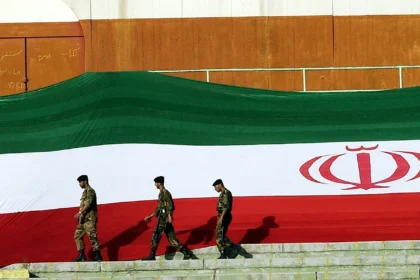
These meetings will address international efforts to de-escalate tensions in the region and end the ongoing conflict with Iran.
Summit agenda and regional issues
These meetings are taking place amidst highly sensitive regional and international circumstances.
The crisis in the Middle East, particularly the potential conflict
between the US and Israel on one side and Iran on the other, tops the summit’s agenda.
Trump is expected to focus his discussions with regional leaders on:
Navigational security: Discussing plans to secure the Strait of Hormuz and remove mines.
The goal is to ensure the flow of global energy supplies.
De-escalation: Exploring ways to end the military conflict, which has directly impacted the global economy.
This escalation has also exacerbated energy crises and inflation.
Strategic partnerships: Reviewing the US administration’s vision for vital supply chains,
as well as future investment partnerships.
Netanyahu’s absence from side meetings
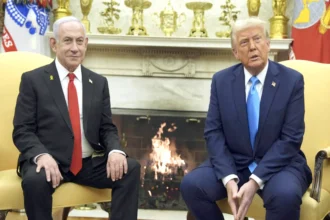
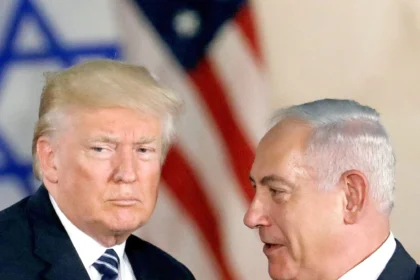
In a related development, the US official confirmed that Israeli Prime Minister Benjamin Netanyahu
would not be attending Trump meetings with Middle Eastern leaders on the sidelines of the summit.
He emphasized that these meetings would focus primarily on mediation and containment efforts in the region.
This year’s summit is taking place amidst complex geopolitical challenges.
The G7 leaders are seeking to bridge the gap in their views with President Trump,
particularly regarding the war in Ukraine and the military escalation in the Middle East.
This is an attempt to forge an international consensus to address the economic and security repercussions of these conflicts.