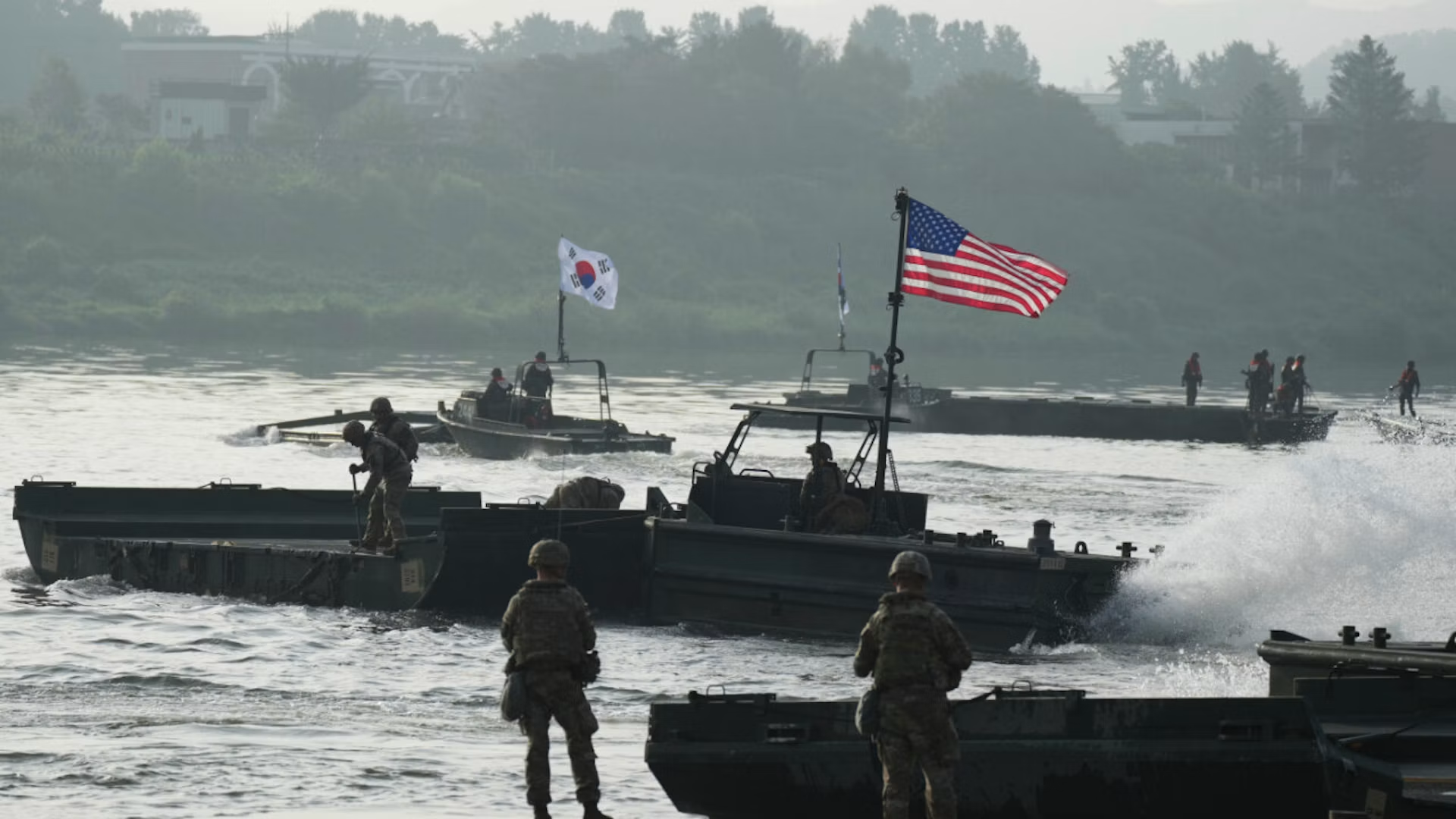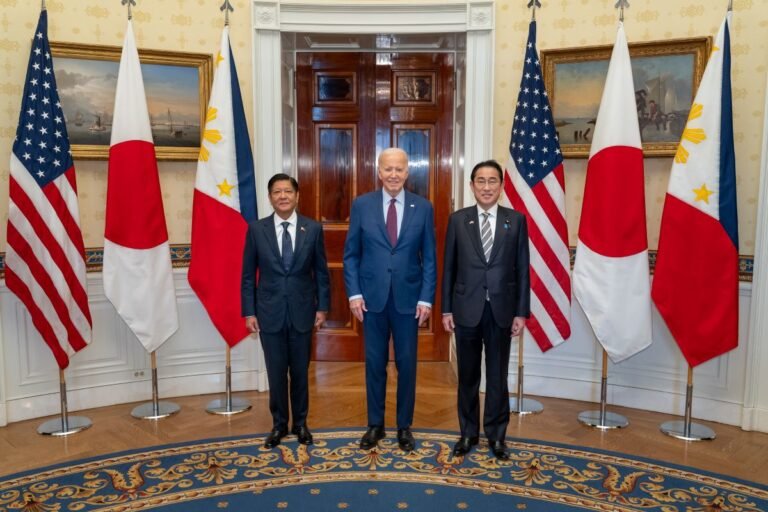
Manila, Philippines – The United States, Japan, and the Philippines held the second round of their trilateral maritime dialogue in Manila, the Philippine capital. This reflects the growing strategic cooperation among the three nations amidst escalating security challenges in the region, particularly in the vital Indo-Pacific waterways.
The meetings featured extensive discussions on ways to enhance maritime security and develop joint coordination mechanisms to address challenges related to freedom of navigation and the protection of international trade routes. Furthermore, they explored ways to strengthen cooperation in information sharing, naval capacity building, and coast guard operations.
The participants emphasized the importance of maintaining a rules-based international order and respecting freedom of navigation and overflight. They also stressed the need to ensure the security and stability of maritime routes, which are vital arteries for the global economy and international trade.
The dialogue also addressed ways to enhance cooperation in disaster response, search and rescue operations, and the protection of marine resources. Furthermore, discussions focused on intensifying joint training programs and developing the capabilities of partner countries to address growing security and environmental challenges.
The participating delegations expressed their commitment to continuing joint efforts to consolidate regional security and stability. They also affirmed that trilateral cooperation constitutes an important platform for strengthening mutual trust and supporting sustainable development in the region.
The dialogue comes at a time of rapid strategic shifts in the Asia-Pacific region. The three countries are seeking to expand their defense and maritime partnerships to address growing security challenges and ensure the stability of vital waterways. A significant portion of global trade also passes through these waterways.
Observers believe the meeting’s outcomes reflect a growing trend toward enhanced multilateral cooperation on maritime issues. This contributes to bolstering regional security and developing mechanisms for joint action to address future challenges in one of the most crucial regions on the international stage.