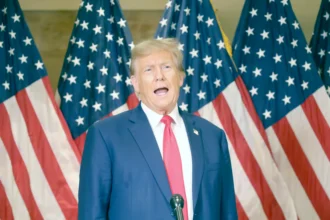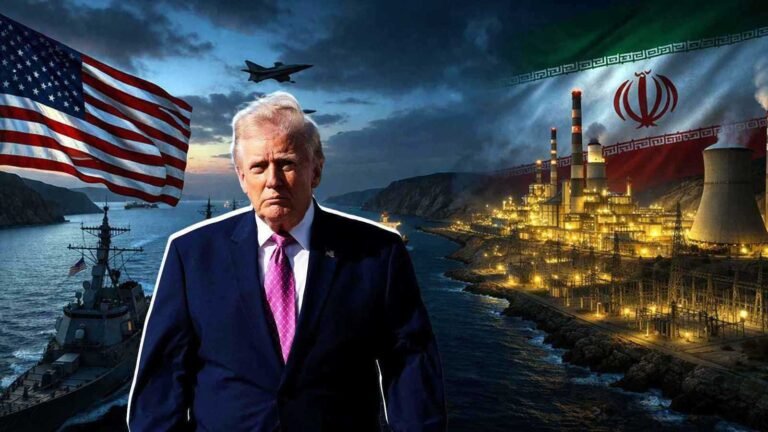
Washington, DC – Tensions between the United States and Iran have resurfaced following statements by US President Donald Trump outlining what he termed a “red line” that could prompt Washington to resume military strikes against Tehran. This would occur if Iran crossed certain boundaries related to its nuclear program and regional activities.
In media statements, Trump affirmed that the US administration would not allow Iran to acquire capabilities that threaten the security of the region or US interests and those of Washington’s allies in the Middle East. He also emphasized that any Iranian actions exceeding what he described as acceptable limits would be met with a “strong and decisive” response.
The US president indicated that the United States is closely monitoring Iranian nuclear activities. It is also monitoring the military movements of armed groups supported by Tehran in several countries in the region. He asserted that continued escalation could lead to a direct confrontation if the situation is not contained politically and diplomatically.
These statements come at a time of heightened tension in the region. This is particularly evident given the stalled negotiations concerning the Iranian nuclear program and the exchange of political and military messages between the two sides in recent months. There are also international concerns about the situation spiraling into a wider conflict.
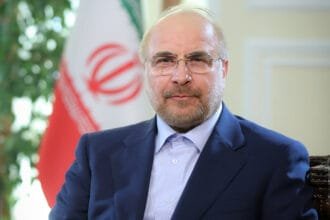
For its part, Tehran has repeatedly affirmed that its nuclear program is for peaceful purposes. It has also rejected what it describes as the US policy of pressure and threats. The Iranian leadership has emphasized that any military action against the country will be met with a harsh response that will affect the stability of the entire region.
Analysts believe that Trump’s statements carry a dual message: the first is directed at the American public, demonstrating a hardline stance toward Iran. The second is intended to reassure regional allies of continued US support in confronting Iran’s growing influence.
Experts have also warned that continued political and military escalation between Washington and Tehran could directly impact global energy markets and maritime traffic in the Gulf, especially given the region’s sensitivity to any tensions related to the nuclear issue or the US military presence.