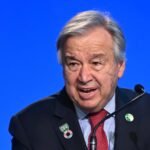
Kuala Lumpur, Malaysia – Malaysian Prime Minister Anwar Ibrahim has raised the possibility of early general elections. This comes after escalating political tensions within the ruling coalition tested his already precarious political position. The situation has sparked serious and troubling questions about the future of political stability in this pivotal Asian nation.
This sudden strategic shift came after the Barisan Nasional (National Front) bloc, led by the United Malays National Organisation (UMNO), announced on Saturday its decision to contest all 56 seats in the upcoming Johor state elections independently. This was done without coordinating or forming an alliance with the Pakatan Harapan (Alliance of Hope) coalition, its main ally in the current federal government, according to a Bloomberg report on Monday.
A political challenge and a decisive response from the Hope Alliance
This secessionist move prompted Prime Minister Anwar Ibrahim, whose Pakatan Harapan coalition is strategically and politically aligned, to issue a stern and direct warning to his allies. He asserted that his political bloc was fully prepared to wage a “comprehensive” and fierce electoral battle if challenged. He added that this readiness extended to other Malaysian states as well.
Anwar Ibrahim said on Sunday, in a speech during the first national Pakatan Harapan conference held since 2022 in Johor state: “If this is our situation today, with the continuation of defamation and sowing of division within the corridors of government, then we must boldly choose to hold general and comprehensive elections for the whole country,” to rearrange the internal political landscape.
Security and economic repercussions threaten investments
Economic observers warn that this turbulent and unstable political situation directly threatens Anwar Ibrahim’s efforts to attract foreign capital and investors. This is particularly concerning given the intense international competition to capitalize on current strategic shifts in global supply chains. The burgeoning artificial intelligence projects and technologies in the region also presents a significant challenge.
This complex domestic political crisis coincides with severe external financial pressures facing Malaysia. The rising global oil prices, stemming from the ongoing war and maritime disruptions with Iran, are straining the state budget. This reduces the government’s capacity to provide economic support and presents the Malaysian economy with a dual challenge. These challenges necessitate finding a balance that ensures both political and financial stability.