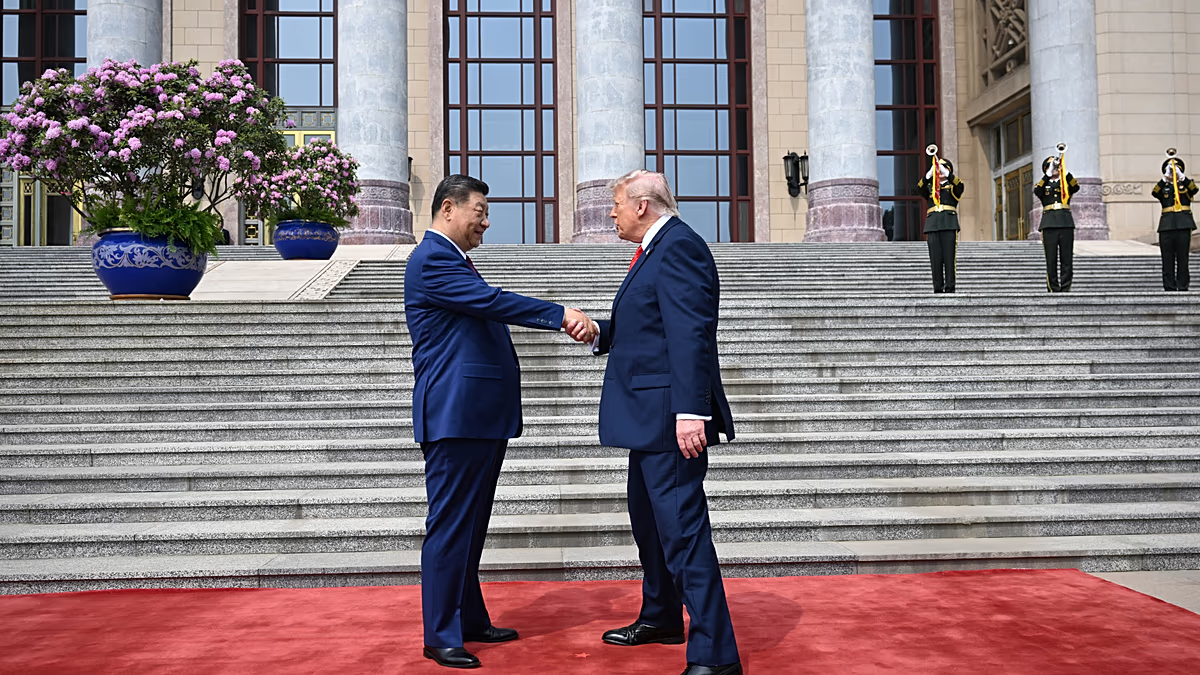
Beijing, China – At a high-level diplomatic summit, the White House announced that US President Donald Trump and his Chinese counterpart Xi Jinping agreed, during their historic meeting in Beijing, on the need to keep the Strait of Hormuz open to international navigation, stressing its importance to supporting the free flow of energy amid escalating tensions in the Arabian Gulf region.
Joint statement on energy security
The White House confirmed in an official statement that the two sides reached a shared understanding that the stability of global energy supplies depends primarily on securing vital waterways.
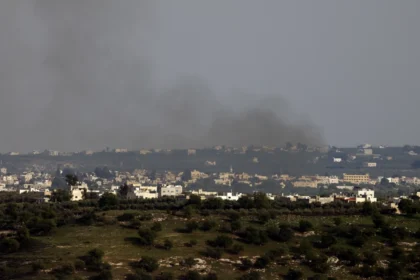
This agreement comes at a sensitive time, as the region is experiencing a protracted military conflict, with both leaders agreeing that closing the strait would pose a direct threat to the global economy.
Mao Ning: There are no winners in trade wars
For her part, Chinese Foreign Ministry spokeswoman Ma Ning provided an update early Thursday following the initial talks, quoting President Xi Jinping as telling Trump that “there are no winners in trade wars” and that economic relations between the two countries should be based on mutual benefit.
She added that “equal consultation” is the best option for resolving trade frictions, praising the “balanced and positive” results recently achieved by the two countries’ economic teams.
The challenges of the age and the “Thucydides Trap”
In a separate statement, President Xi described the current international landscape as “volatile and turbulent,” noting that the world has reached a new “crossroads.”
Xi raised crucial questions about the ability of Beijing and Washington to overcome the so-called “Thucydides Trap” (great power rivalry) and create a new model of international relations that provides stability for the world.
Mao Ning concluded her remarks by stressing that China and the United States should be “partners, not adversaries,” calling for the need to find the right way for the great powers to coexist in the new era, in a way that serves the well-being of the people and the future of humanity.
This visit, Trump’s second as a second presidential term and his first since returning to the White House, lays the foundation for what observers have described as “tactical stability” between the world’s two largest economies, amid complex issues including the war with Iran, artificial intelligence security, and global trade balances.