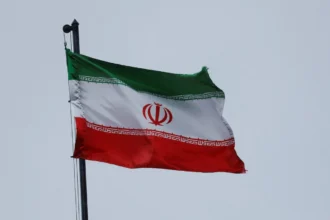
Washington, DC – The Wall Street Journal (WSJ) has revealed crucial details of the draft proposal put forward by President Donald Trump’s administration to Iran. This draft includes “nearly impossible” conditions to pave the way for negotiations toward a final agreement.
According to the report, the American proposal goes beyond simply monitoring nuclear activities. It demands the dismantling of the structural foundations of Iran’s nuclear program.
Dismantling underground infrastructure and activities
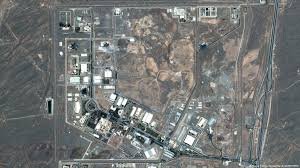
According to the newspaper, Washington’s proposed framework calls for the complete dismantling of the Fordow, Natanz, and Isfahan nuclear facilities, along with a comprehensive ban on any nuclear activity conducted at these underground sites.
The sources explained that US officials are now convinced that simply halting enrichment is no longer sufficient. Therefore, the “capability and infrastructure” must be eliminated to prevent Tehran from rebuilding its program in the future.
The proposal also included a US demand that Iran halt uranium enrichment for 20 years and surrender all of its enriched uranium stockpiles. Furthermore, it included the acceptance of an immediate and unrestricted inspection regime for any suspected sites, without the need for lengthy bureaucratic procedures.
The Strait of Hormuz trade-off and the naval blockade
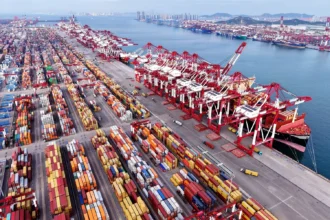
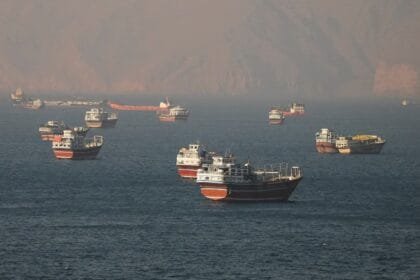
On the maritime and security front, the framework included a gradual exchange, stipulating that the Islamic Republic would gradually reopen the Strait of Hormuz.
In return, the United States would partially ease its naval blockade of Iran. However, the report emphasized that the full reopening of the strait would remain postponed and would only occur upon the final signing of the comprehensive agreement.
Lifting sanctions is conditional on “implementation,” not “signing.”
On the economic front, the Wall Street Journal reported that lifting US sanctions would not be contingent on the mere signing of the agreement. Rather, it would depend exclusively on Tehran’s “actual implementation of its commitments.”
Despite this stringent stance, the report indicated the possibility of releasing some frozen Iranian assets held abroad. This could occur during the initial confidence-building phases.
The newspaper concluded its report with a warning to Trump administration officials about potential attempts by Tehran to circumvent these pressures. These attempts are expected to involve creating “ambiguity and delaying implementation” to prolong the process and alleviate international pressure.