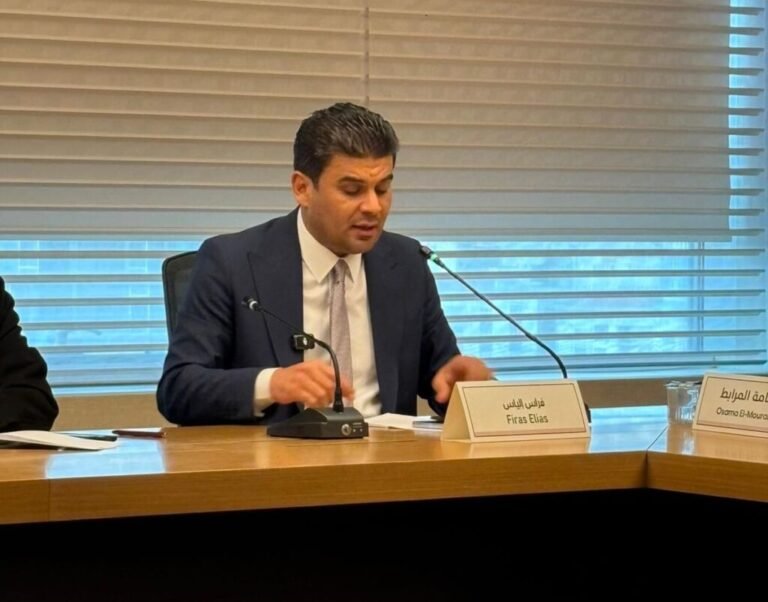
Cairo, Egypt – In an in-depth analysis of the implications of the current escalation between Washington and Tehran, Iraqi expert on national security and Iranian studies, Firas Elias, told “Voice of Emirates” that the region has officially slipped into a war of attrition. Elias also asserts that the stalled negotiations in Pakistan and the downing of a US military aircraft indicate that this confrontation will not end through conventional means. Rather, it has become a critical test for the political future of Donald Trump and for Iran’s regional presence.
Engineering conflict across space
Elias begins with the geographer Yves Lacoste’s assertion that “geography is used to wage war first,” explaining that Iran does not treat its borders as rigid defensive lines. Rather, it sees them as a “dynamic” tool, re-engineered across three overlapping layers:
The internal defensive depth: leveraging the difficult mountainous terrain and the distances between vital centers to absorb American strikes. Ultimately, the leadership seeks to transform it into a protracted war of attrition, rendering the attacks ineffective.
Forward defense (combat extension): Shifting the battlefield to Iraq, Lebanon, and Yemen to disperse and distribute American pressure across multiple fronts. This prevents Iran from being the sole target.
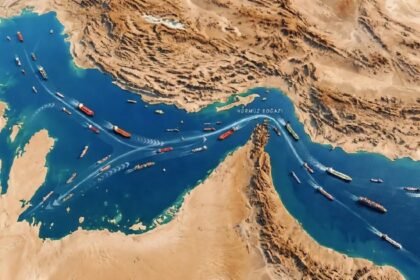
Strategic strangulation: Turning the Strait of Hormuz and the Red Sea into global bargaining chips that link any escalation to energy prices and international supply chains.
Is a full-scale ground offensive possible?
Firas Elias argues that a full-scale ground invasion remains a militarily unlikely option. It also faces three obstacles: Iran’s complex geography, the potential for the conflict to escalate regionally, and the lack of American political will to engage in an endless war of attrition. Elias suggests that Washington will likely settle for two courses of action: intensifying surgical airstrikes or resorting to tactical special forces operations (such as the recent rescue operations). Furthermore, the threat of a ground offensive remains merely a “deterrent” tool to raise the stakes in negotiations.
Iranian intransigence: Stubbornness over compromise
The Iraqi expert concludes his analysis by noting that Tehran is now “more committed to the war option than Trump himself.” The high stakes imposed by the American administration, culminating in the assassination of the Supreme Leader, have made the cost of concessions for the Iranian leadership far more bitter than the cost of all-out confrontation. Consequently, Iran has chosen a logic of stubbornness and pragmatic intransigence. Thus, the region is now faced with open-ended scenarios that transcend the boundaries of traditional control.