Tel Aviv, Israel – Informed sources told the Hebrew-language newspaper Israel Hayom that indirect talks between the United States and Iran have reached a dead end. This comes amid indications on the ground of an imminent military escalation. Washington has officially informed the Israeli side of the impasse in the diplomatic process. Consequently, this impasse has prompted both sides to begin coordinating to expand the scope of military operations against strategic targets within Iranian territory.
The trust dilemma and the conditions of “surrender”
The newspaper quoted a senior diplomatic source as saying that “a lack of trust” is the primary obstacle to any breakthrough in negotiations. Meanwhile, Tehran insists on an immediate ceasefire coupled with binding international guarantees that attacks will not resume, a demand rejected by Washington.
In contrast, the Trump administration has set what it describes as impossible conditions. Among the most prominent of these is the complete and unconditional opening of the Strait of Hormuz to international shipping. In addition, Washington demands that Iran surrender all of its enriched uranium stockpiles, a demand Tehran views as an infringement on its sovereignty and deterrent capabilities.
Expanding the Strategic Objectives Bank
The report stated that US and Israeli military planners are preparing to extend the wave of airstrikes for at least another 10 days. The next phase will focus on undermining the infrastructure of the Iranian Revolutionary Guard. In addition, civilian facilities that provide logistical cover for the regime will be targeted, with the aim of cutting off funding for military activities. While major power plants and vital oil facilities have thus far been avoided, the destruction of the Karaj bridge and non-military factories indicates a significant shift in field strategy. Furthermore, there is a move toward comprehensive pressure.
Tangible results and political objectives
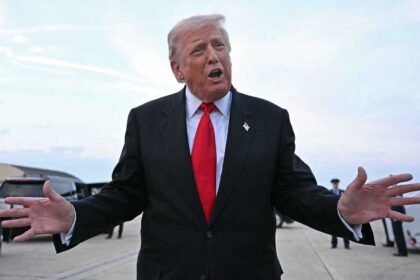
According to assessments presented by President Trump, the operations achieved tangible results; most of the infrastructure of the military nuclear program was destroyed. Approximately 80% of the advanced missiles and 90% of the launch sites were neutralized.
“Regime change or weakening” emerged as a strategic objective discussed in depth between Trump and Prime Minister Benjamin Netanyahu. However, it was acknowledged that this process could take months given the current level of domestic opposition.
The Strait of Hormuz: The Heart of the Conflict
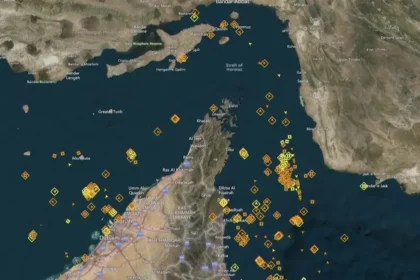
The Strait of Hormuz remains the most prominent flashpoint, as the Iranian Revolutionary Guard continues to target oil tankers. These attacks have prompted Washington to bolster its military presence in the region and criticize what it calls European inaction in defending global energy supplies. Israeli assessments conclude that the conflict will not end without an agreement guaranteeing the complete return of maritime traffic through the strait to normal. Therefore, the region faces a potentially volatile summer with all possibilities open.