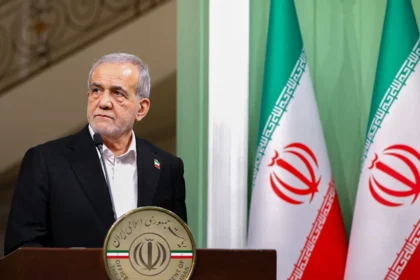
Tel Aviv, Israel – Israeli Prime Minister Benjamin Netanyahu issued a strongly worded warning to Iran, asserting that any attempt to harm Israel would be met with a decisive response. This marks a new escalation in rhetoric reflecting the heightened tensions between the two sides.
Netanyahu’s remarks came in the context of discussing the security challenges facing Israel, where he emphasized that Tel Aviv would not tolerate what he described as “direct or indirect Iranian threats.” He also affirmed that the Israeli army is fully prepared to deal with any developments.
Observers believe that these messages are inseparable from the volatile regional landscape and Netanyahu’s domestic political calculations. He is facing increasing pressure, which is pushing him to escalate his security rhetoric to reinforce his image as the “guardian of national security.”
In contrast, Tehran has consistently downplayed Israeli threats, considering them part of a psychological warfare campaign and an exchange of indirect messages. This occurs within the context of a protracted conflict that takes various forms, from indirect confrontation to mutual threats.
Analysts confirm that the exchange of statements between Tel Aviv and Tehran has become part of the deterrence equation. Each side seeks to escalate its rhetoric without sliding into open confrontation. Nevertheless, the margin for error remains in this inherently volatile region.
Between the language of warnings and calculations of deterrence, the question hangs in the air: Will the confrontation remain confined to words, or will it one day escalate beyond mere statements?
Threat for threat: Netanyahu vows a decisive response to any harm to Israel’s security.
Israel faces growing Iranian threats

Mohammed Elkaradawy
محمد القرضاوي، محرر في وكالة أنباء صوت الإمارات، مكتب القاهرة، وهو صحفي محترف وعضو نقابة الصحفيين المصريين، يتمتع بخبرة واسعة في تغطية ملفات الأمن القومي والتحقيقات...


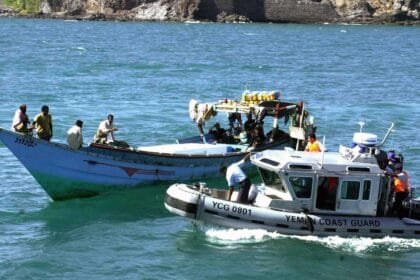
Yemen: Drug shipment seized off the coast of Lahj
Yemen: Combating drug trafficking in Al-Mudharabah

Qatar confirms the adequacy of its strategic food and water reserves
Qatar is committed to ensuring the sustainability of food and water supplies.

Explosions in Doha and evacuation of specific areas as a temporary precautionary measure
Qatari authorities are taking precautionary measures and urging residents of some areas…

Zelensky: The world’s preoccupation with the Middle East is not in Ukraine’s interest
Ukraine and the impact of the conflict in the Middle…