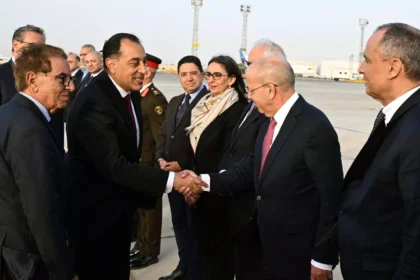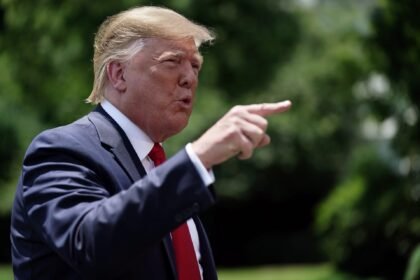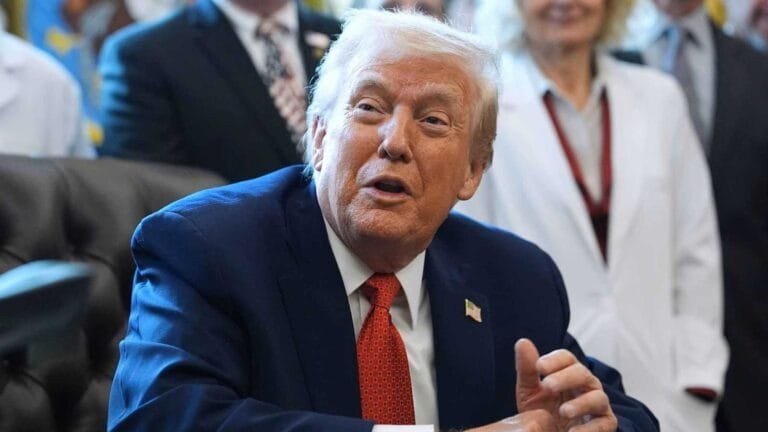
Washington, DC – US media reports have revealed a broad campaign led by President Donald Trump’s administration to restructure US diplomatic representation abroad. This campaign included the termination of the assignments of approximately 30 ambassadors in various countries, including the US ambassador to Egypt, Hero Mustafa Garg.
Restructuring based on “America First”
The Associated Press and Politico quoted State Department officials as saying that this move is part of the White House’s efforts to ensure that its staff fully supports President Trump’s “America First” agenda. The administration bases this action on the principle that ambassadors are “personal representatives of the president” and must reflect his political vision.
Heads of missions in at least 29 countries were informed last week that their terms would officially end in January.
These ambassadors all had to do with being appointed during the Biden administration, but they remained in their posts during the early months of Trump’s second term. However, they are now affected by the current wave of changes.
List of countries affected by the change
The recall decisions included ambassadors spread across the continents of the world, with a notable focus on the African continent:
Middle East: Egypt and Algeria.
Africa: 13 countries (Nigeria, Niger, Senegal, Ivory Coast, Cameroon, Uganda, Rwanda, Somalia, and others).
Asia Pacific: 6 countries (Philippines, Vietnam, Fiji, Marshall Islands, etc.).
Europe: 4 countries (Armenia, Macedonia, Montenegro, and Slovakia).
Other regions: Nepal, Sri Lanka, Guatemala, and Suriname.
Ministry of Foreign Affairs response and employment status
The State Department declined to name specific individuals. The department defended the decision as a “routine procedure,” emphasizing the president’s right to ensure representation by individuals who support his agenda. Officials clarified that the affected diplomats would not lose their positions within the State Department’s diplomatic corps. Instead, they would return to Washington to assume other administrative or advisory roles.
Concern in diplomatic circles
This sweeping and sudden decision has raised concerns among some lawmakers and the American Association of Foreign Service Ambassadors (AFSA). Critics argue that replacing so many seasoned ambassadors at once could lead to a shortage of diplomatic expertise in vital regions of the world.