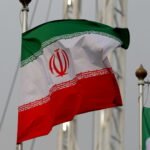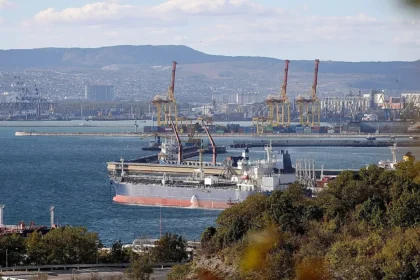
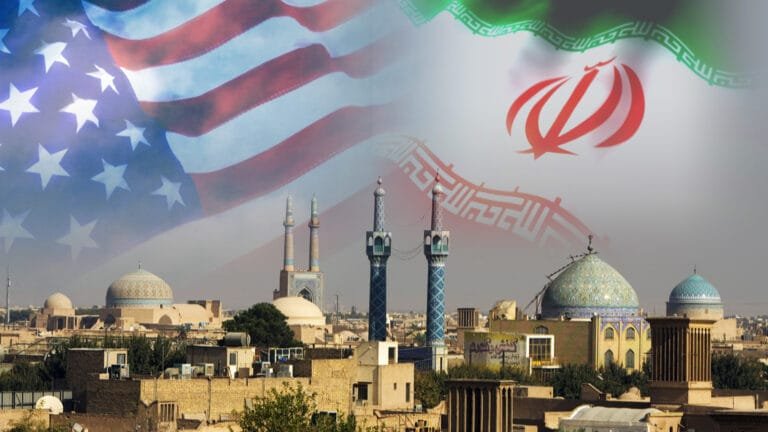
Washington – The US Department of the Treasury has announced a new package of sanctions targeting Iranian financing networks, in a clear escalation of the “Maximum Pressure” policy. The department clarified that the measures target entities contributing to funding Tehran’s regional movements and bypassing international restrictions. The decision coincided with the Pentagon’s announcement of a raid and inspection of the vessel “Tiffany” in international waters for allegedly carrying Iranian oil. Accordingly, the tightening of US sanctions on Iran serves as a firm message to disrupt energy supply chains and the “shadow fleet” networks used for smuggling petrochemical products.
Targeting the “Shadow Fleet”: Washington Pursues Logistics Companies in the Energy Sector
The Treasury Department asserted that it will not hesitate to pursue any party providing material or logistical support to illegal networks serving the Iranian agenda. Obviously, these moves follow the recent cancellation of temporary waivers for selling stranded oil shipments, placing international companies and partners before difficult choices. As a result, Washington warned of imposing “secondary sanctions” on countries and institutions that continue to deal with the Iranian energy sector, increasing pressure on global markets while awaiting Tehran’s reaction.
Political Messages Behind Escalation: Dialogue Under Sanctions and Naval Raids
Observers believe the timing of these sanctions reflects an American balance between offering dialogue and intensifying pressure; Vice President J.D. Vance remains in Washington awaiting Tehran’s response regarding the Islamabad talks. Certainly, the White House is utilizing economic power tools and naval military actions to ensure Iranian compliance with international demands. Accordingly, the tightening of US sanctions on Iran remains a pressure tool aimed at advancing the stalled diplomatic track, amid concerns over the stability of navigation in strategic waterways like the Strait of Hormuz.