
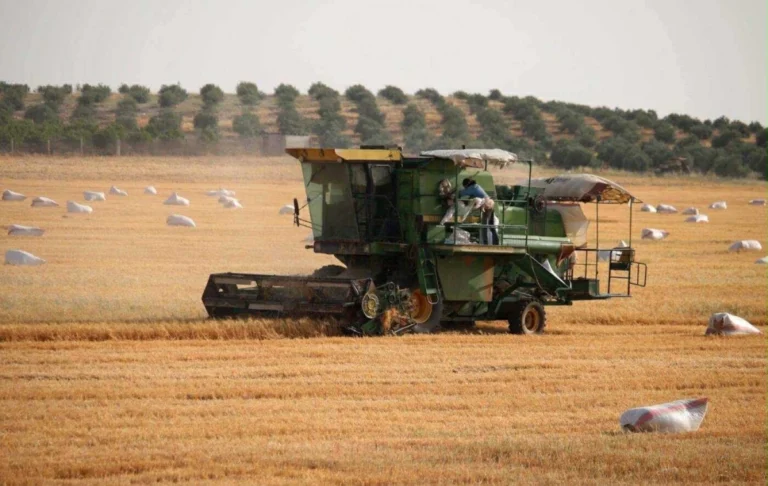
Damascus, Syria – Syria announced achieving self-sufficiency in wheat production for the first time since 2010. Consequently, this development marks a significant milestone in agricultural recovery following years of decline caused by conflict and economic crises.
Furthermore, this achievement stems from dedicated governmental efforts to expand cultivated areas, secure production inputs, and support local farmers. As a result, domestic output now fully satisfies national demand for this essential strategic commodity.
Food Security Expansion and Sustainability Challenges
On the other hand, reaching self-sufficiency strengthens national food security by mitigating reliance on volatile global supply chains. Additionally, stable production ensures a steady supply of flour and bread across domestic markets.
However, maintaining this trajectory presents ongoing hurdles, including climate change, water scarcity, and rising production costs. Consequently, preserving current output levels requires continuous investment in irrigation networks, storage facilities, and transport infrastructure.
Finally, achieving self-sufficiency in wheat marks a crucial turning point for Syria’s economic stabilization. Ultimately, sustaining this agricultural milestone depends on long-term infrastructure investment and adaptive climate strategies.