Paris, France – French President Emmanuel Macron has conducted a series of intensive diplomatic talks and communications with the leaders and officials of the United Arab Emirates, the State of Qatar, and the Sultanate of Oman. These moves aim to discuss the latest developments in the Gulf region, foremost among them the issue of maritime security in the Strait of Hormuz, which is considered one of the most important strategic maritime corridors for oil and gas transport worldwide.
Intensive Consultations to Ensure Freedom of Navigation
The diplomatic consultations focused on the necessity of coordinating joint positions to ensure freedom of navigation and protect international trade routes. The talks also addressed exploring effective ways to reduce regional tensions and prevent any potential escalation that could negatively impact commercial shipping and global energy supplies, upon which the international economy depends.
Paris Emphasizes the Importance of Regional Stability
Paris affirmed that close cooperation with its Gulf partners primarily aims to maintain regional stability and support all diplomatic efforts aimed at de-escalation. The French side stressed the importance of respecting the principles of international law and ensuring the safe and unconditional passage of commercial ships through the strait. In this context, the pivotal role of the Sultanate of Oman in regional mediation efforts was highlighted, alongside continuous coordination with the UAE and Qatar on various security and economic issues linked to this vital maritime corridor.
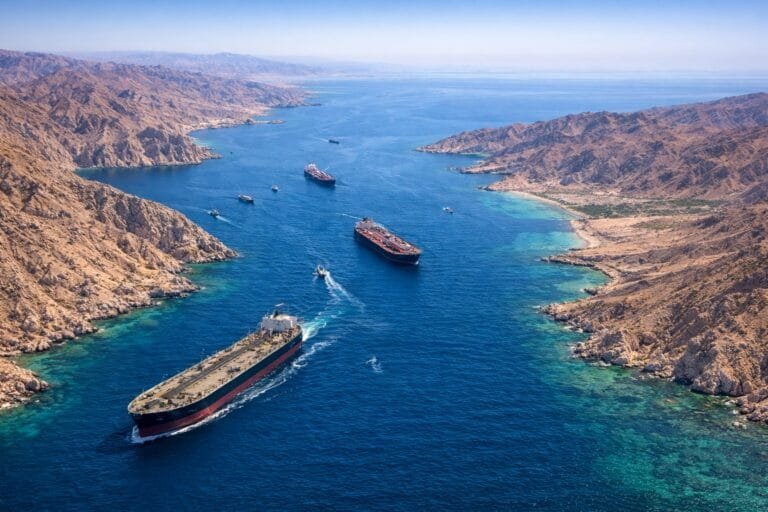
The Strait of Hormuz.. A Major Artery for Global Energy
These diplomatic moves come at a time when the Strait of Hormuz is witnessing increasing international attention, given its status as a major and vital artery for global trade and energy. Approximately one-fifth of the world’s oil consumption passes through this strait, making any tension in the region a subject of close and cautious monitoring by international markets. France seeks, through coordination with its Gulf partners, to support regional stability and maintain the smooth flow of global trade, while continuing to push diplomatic efforts to avoid any crises that may threaten maritime security in Gulf waters.