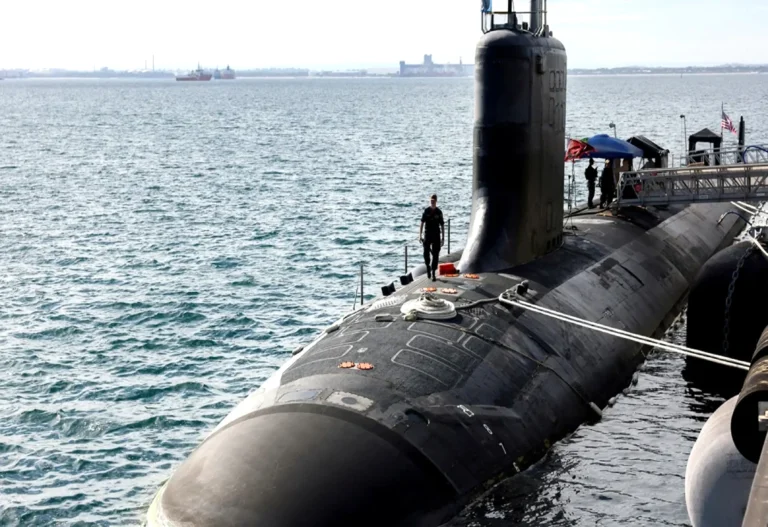
Brussels, Belgium – In a move that reflects growing European interest in strengthening maritime defense capabilities, several European countries are moving to invest in a new generation of advanced drones dedicated to sea surveillance and submarine detection missions.
This comes within the framework of broader efforts to modernize security
and defense systems amid the increasing geopolitical challenges taking place in the international arena.
Strengthening European naval capabilities
Through these modern systems, European countries seek to raise
the efficiency of maritime reconnaissance operations and collect intelligence information,
especially in sensitive maritime areas that are witnessing increasing military activity.
The new drones are distinguished by their ability to fly for long periods over bodies of water.
It is also equipped with advanced sensors and high-precision radars that enable
it to monitor marine movements and track targets under the surface of the water.
This trend comes within broader European plans to enhance the security of sea lanes and protect vital infrastructure.
This includes communications lines, submarine cables, and energy facilities spread across European seas,
in light of growing concerns about potential threats that may target these strategic facilities.
Advanced technology to counter modern threats
The new systems rely on artificial intelligence techniques and real-time data analysis,
which allows processing huge amounts of maritime information in a short time,
and identifying suspicious patterns or unusual movements of submarines and ships.
Drones can also work in coordination with warships, manned aircraft, and military command centers.
This is done within an integrated network for monitoring and rapid response.
Defense experts believe that the increasing reliance on drones reflects an important shift in European military doctrine. It provides systems with extensive monitoring capabilities at lower costs compared to traditional methods. Moreover, it reduces risks to human crews during complex missions.
In response to global security changes
The European expansion in acquiring these advanced military technologies comes at a time of rapid change in the international security environment. These changes have prompted many countries to reassess the readiness of their armed forces and develop their defense capabilities. European officials emphasize that strengthening anti-submarine warfare capabilities is a fundamental element in protecting maritime security. It is also essential to ensuring freedom of navigation and safeguarding the strategic interests of European countries in the coming years.
It is estimated that naval modernization programs will continue to expand in the near future. This is accompanied by increased investment in unmanned technologies and intelligent surveillance systems, which have become a defining feature of modern warfare and sophisticated maritime deterrence operations.