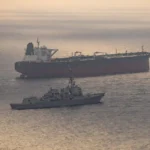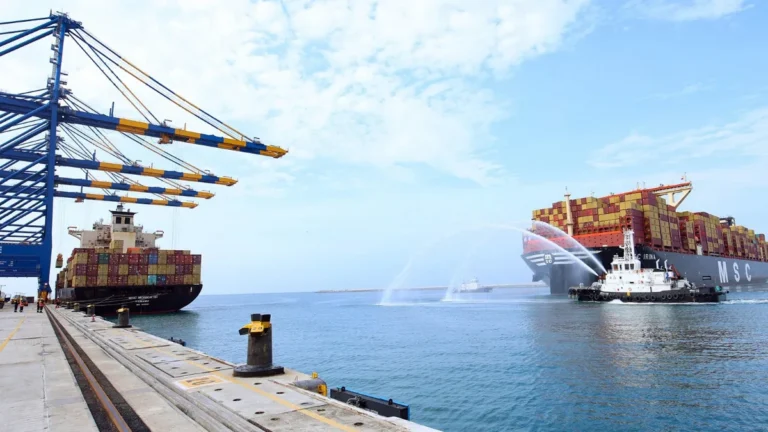
American financial and federal departments executed a strategic economic resolution to evade an abrupt spike across global fuel valuations. The decision for postponing Russian oil sanctions on maritime shipments operates as a temporary safety valve to intelligently preserve contemporary market equilibrium. Washington officially announced the extension of the exceptional waiver from rigid commercial constraints for thirty supplementary days chronologically. This stride targets guaranteeing the regular flow of energy shipments toward consumer nations, easing acute bottlenecks within international supply chains. These developments coincide with the ongoing Russo-Ukrainian war and complex geopolitical frictions crossing the territory in 2026.
Preserving Market Stability and Preventing Frantic Fluctuations in Oil Valuations
US administration officials clarified that the resolution represents a flexible mechanism preventing harsh disturbances inside financial markets. Washington precisely balances enforcing political pressures on Moscow and distinctively shielding the global economy from valuation shocks. Numerous capitals rely upon Russian supplies transported via mammoth sea tankers to regularly manage their industrial and utility sectors. This short extension contributes to soothing investor anxieties inside global stock exchanges, minimizing monetary inflation fallout across major nations. The US Treasury rejects adopting rough movements that could visibly manifest negatively against Western citizen livelihoods currently.
Surveillance apparatuses monitor maritime traffic across waterways with high caution to guarantee compliance with the pre-determined price cap. Activating the waiver mandates transporting corporations’ commitment to rigid legal criteria positioned by the G7 nations with high accountability. Washington exploits this chronological window to evaluate global production volume, exploring prospects of injecting supplementary quantities from OPEC nations. Political elites fear that abrupt supply terminations might revive black markets, supplying alternative and confidential funding channels for the Kremlin. Engineers follow updating logistical datasets to fully manage strategic energy reserves inside the nation with maximum efficiency.
Hardening Rigid Surveillance Over Other Vital Sectors of the Russian Economy
Federal officials underscored that extending the waiver never implies any modification inside general policy toward Moscow. Washington sustains the execution of rigid sanction frameworks across financial, industrial, and military sectors linked to Russia regularly. Maritime shipments are monitored via satellites to guarantee this procedure is not exploited outside the permitted legal perimeter. Economic specialists argue that balancing political pressure and commercial considerations represents the greatest challenge for contemporary American diplomacy. The extension resolution is directly impacted by alternative energy production rates and federal reserve levels inside the United States visibly.
Congressional committees pressure to guarantee Russian firms do not benefit from oil revenues to update their military arsenal on the field. Conversely, major Western enterprises attempt to exploit the grace period to settle their future contracts, regularly avoiding severe legal casualties. Closed assemblies sustain between European Union and Washington energy officials to synchronize stances prior to the expiration of the 30-day window later. The future mandates drafting unified oil strategies keeping pace with ongoing economic and political transformations across the international arena with equity.