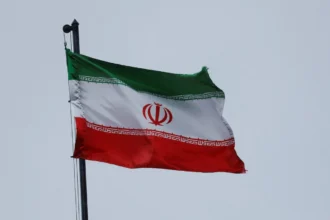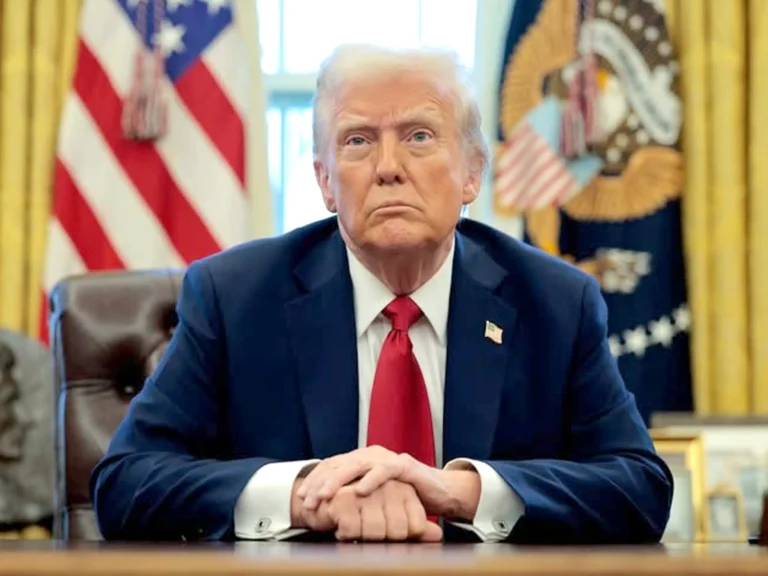
The White House has directed highly rigorous, stern warnings directly to the leaders of the Iranian capital, Tehran. This movement falls within the framework of the US administration’s endeavors to enforce a policy of escalating Washington tone against Tehran to compel it to offer major concessions. US President Donald Trump warned Iran that it would face an extremely bad and highly difficult time. Trump clarified that this grim scenario would be executed immediately if negotiations fail to produce a brand-new comprehensive nuclear accord. These strict remarks reflect the magnitude of complexity and the harsh diplomacy utilized by the United States across the Middle East. The international community monitors the backstage of these stumbling negotiations amid genuine anxieties over an all-out war breakout.
Difficult Alternatives and Requirements of the US Administration
President Trump asserted that Washington sustains an open door for conditioned diplomatic solutions. The United States seeks to reach a comprehensive understanding that addresses all concerning Iranian military activities. He pointed out that non-peaceful alternatives would be highly brutal on the deteriorating Iranian economy. Success requires the existence of a genuine desire from the Iranian side to halt advanced uranium enrichment programs. The US administration refuses to offer any financial incentives or lift sanctions prior to the official and final signature.
Brand-new American demands include dismantling the suicide drone networks that threaten military bases in the region. Furthermore, Washington stipulates restricting the financial support directed toward armed factions across multiple Arab capitals. National security advisors believe that previous flexibility encouraged Tehran to boldly violate international treaties. The Pentagon refuses to eliminate the military option as a primary leverage tool to ensure the success of the current negotiating path in Vienna.
Nuclear File Pressures and Persistent Iranian Rejection
These developments arrive concurrently with the continuation of indirect discussions via prominent regional and international mediators. The US administration persists in imposing suffocating economic sanction packages targeting vital oil and petrochemical sectors. Pressures focus on paralyzing the financial capacity of the Iranian Revolutionary Guard and blocking foreign currency influxes. Conversely, Tehran asserts its total adherence to its legitimate rights to develop nuclear energy for peaceful purposes. The Iranian Foreign Ministry permanently rejects what it describes as a policy of threat and blackmail emerging from the White House.
The severe sanctions have recently generated grinding living crises inside major Iranian cities. The government in Tehran is attempting to build parallel economic alliances with major Asian powers to counter the blockade. Observers believe that the flexibility of the Iranian delegation correlates with how serious Washington is about canceling commercial export restrictions. Tehran refuses to discuss the file of its defensive missile framework, considering it a red line that cannot be crossed.
Global Anticipation and Risks of Peaceful Solutions Collapsing
The international community awaits with extreme caution what the upcoming diplomatic rounds between both factions will yield. European leaders fear that the failure of discussions could ignite military fronts across the Middle East. The expansion of tension directly impacts the safety of maritime trade corridors and crude oil prices in global markets. The United Nations demands the necessity of practicing restraint and avoiding unilateral decisions that might detonate conditions on the ground. Monitoring the dimensions of escalating Washington tone against Tehran remains the central axis for shaping global policies