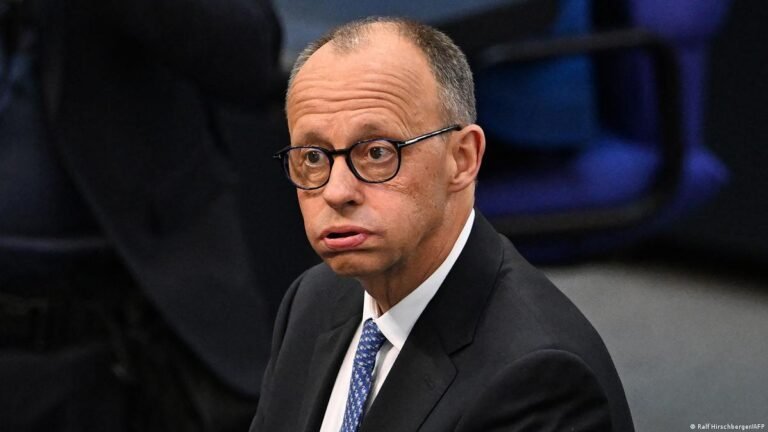
Berlin – The performance of German Chancellor Merz is facing a massive wave of criticism and controversy within media and partisan circles. Press reports circulated extensive details discussing a noticeable decline in his direct communication skills. Media experts believe that Merz is gradually losing his ability to manage political discourse effectively. This rhetorical confusion comes at a sensitive time when the country is passing through highly complex historical turning points.
Widespread Criticism of Public Discourse Style
Media assessments and follow-ups indicate that Merz’s style with the general public has become a target of attacks. Numerous political circles criticized the lack of flexibility in the Chancellor’s dealings with the leaders of allied parties. This rhetorical decline coincides with the escalation of major challenges facing the ruling coalition in Berlin. Internal disputes among government factions regarding items of the state general budget are continuously increasing.
The current situation requires a political leadership that possesses strong charisma capable of convincing voters of difficult decisions. Opponents argue that the Chancellor’s recent statements were characterized by ambiguity and a lack of coherence before prominent media outlets. These repeated verbal slips contributed to weakening the ruling party’s position during recent local elections. The chancellery’s media machine is attempting to address these gaps quickly by organizing intensive, regular press conferences.
Complex Crises and Continuous Testing Before the Public
The German landscape is experiencing its most complex political and economic phase in many decades. The government faces mounting public pressure linked to files of economic recession and securing alternative energy sources. The illegal immigration crisis and the influx of refugees contribute to increasing financial and logistical burdens on federal states. These burning issues place the current political leadership under a continuous and harsh test before the public and observers.
The Chancellor’s weak verbal communication negatively impacts the government’s ability to market its limited economic achievements. The German street demands practical, tangible steps to lower inflation rates and improve daily living standards. Official statements issued by the Chancellor’s office lack clear language that directly touches the concerns of ordinary citizens.
Growing Opposition and Sharp Parliamentary Polarization
Observers believe that any notes regarding the Prime Minister’s performance reflect directly on the coalition’s popularity. Political polarization in the country is increasing alongside the growing role of the opposition inside the German Parliament (Bundestag). Merz’s opponents lie in wait for any rhetorical blunder to turn public opinion and demand early legislative elections.
Analysts indicate that the current phase requires a clearer, more coherent, and attractive political discourse. Maintaining public trust is the sole key to survival to overcome complex internal and external challenges. The coming weeks will hold real tests for the government’s ability to withstand successive opposition strikes. The evaluation of the performance of German Chancellor Merz remains the most interesting political event in Berlin.