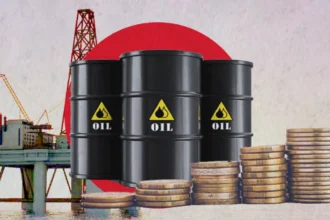
Washington – The US Federal Reserve has announced that the battle to curb inflation is far from over, asserting that price rates remain at “elevated” and concerning levels. In its latest report, the Fed explained that the recent surge in global energy prices has become the primary driver of the crisis, as volatility in oil and gas markets has directly increased transportation and production costs within the US. Obviously, the Fed is facing inflation that is more persistent and stubborn than previous estimates suggested, placing US monetary policy under a difficult test to balance curbing inflation with supporting economic growth.
“The Energy Trap”: How Geopolitical Tensions Ruined the US Central Bank’s Plans?
The report noted that geopolitical tensions in energy-producing regions and global supply chain disruptions are the “hidden players” causing price instability within the US. Accordingly, the Fed believes that rising fuel prices haven’t just increased shipping costs but have extended their impact to all goods and services, shifting consumer and business expectations toward “pessimism.” As a result, the Bank warned that the persistence of these factors could prolong economic suffering, especially if energy prices remain high for an extended period.
Data, Not Promises: Monetary Policy Under the Fed’s Microscope
The Federal Reserve emphasized that its upcoming decisions regarding interest rates or stimulus will not rely on forecasts but will be strictly tied to “actual economic data” and the labor market. Clearly, the primary goal now is price stability at any cost, with close monitoring of any additional pressures resulting from global market volatility. In this landscape, the US economy remains hostage to the stability of international energy fronts, while the Fed attempts to prevent the country from sliding into stagflation due to external factors beyond its control.