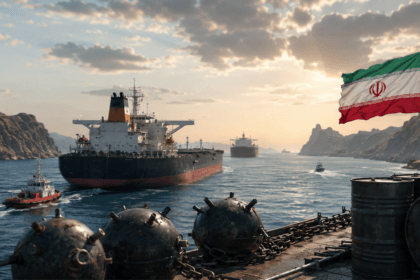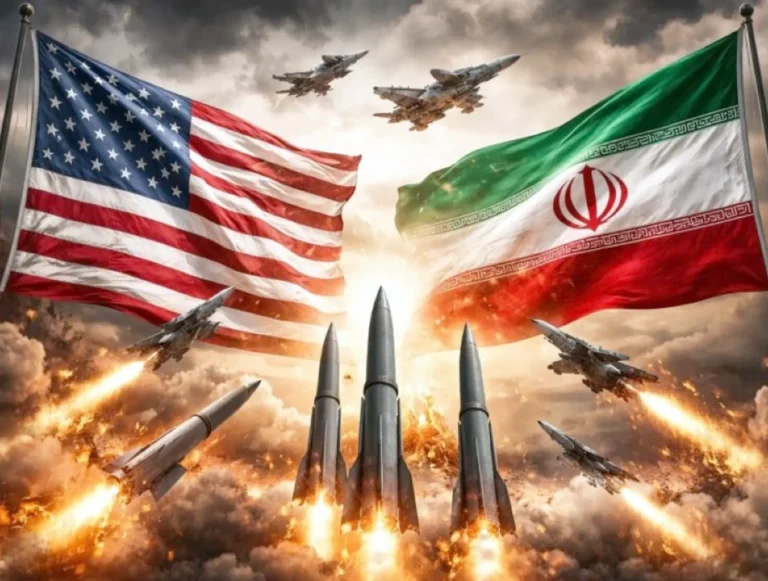
Tehran, Iran – Iran has warned that it will respond with “prolonged and painful” strikes on US targets if the United States resumes its attacks. This warning comes as international efforts to reopen the Strait of Hormuz,
which has remained closed since the latest clashes, are faltering.
Military threats and potential escalation
Reuters quoted Revolutionary Guard commander Majid Mousavi as saying that
any US attack—even a limited one—would be met with a harsh response targeting US bases and ships in the region.
He also asserted that Tehran would not hesitate to respond to any further escalation.
These statements come amid a fragile ceasefire that went into effect on April 8.
However, it has failed to end the escalating tensions between the two sides.
Disruption in global energy markets
The continued closure of the Strait of Hormuz disrupted approximately 20% of global oil and gas supplies.
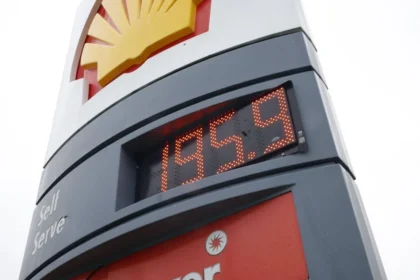
As a result, it caused a sharp rise in energy prices, with Brent crude
exceeding $125 per barrel before subsequently retreating.
Furthermore, the crisis triggered global inflationary pressures and growing fears of a recession.
This is due to the international markets’ reliance on energy supplies from the Gulf region.
International moves and a political impasse
Meanwhile, Donald Trump is considering new military options, alongside efforts to
form an international coalition under the name “Operation Maritime Freedom” aimed at securing navigation in the Strait of Hormuz.
However, European countries have expressed reservations about participating before a complete cessation of military operations.
At the same time, regional and international actors, including Japan and Pakistan, are continuing their mediation efforts to prevent a wider escalation.
These developments point to a political impasse as the dispute over the Iranian nuclear program persists.
This complicates the chances of reaching a near-term settlement and keeps the region on the brink of a broader confrontation.