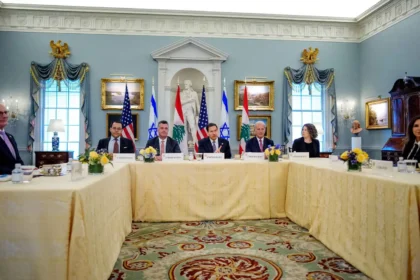
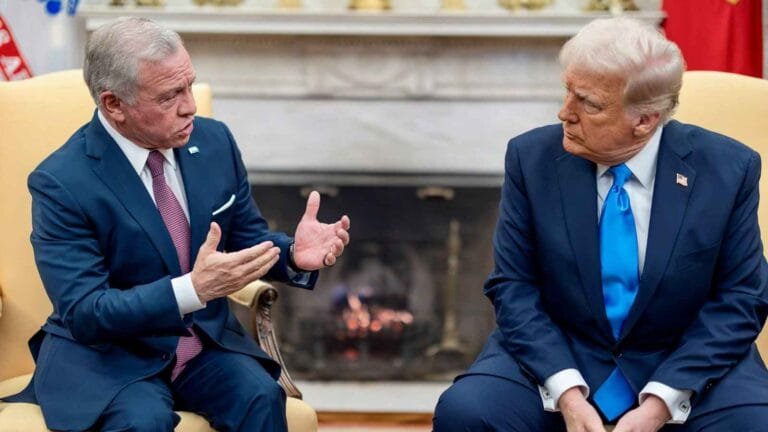
Amman – King Abdullah II of Jordan emphasized the necessity of achieving a comprehensive and immediate regional de-escalation during a significant phone call with US President Donald Trump. The King asserted that continued escalation threatens regional security in an unprecedented manner, putting Middle Eastern stability at stake. Obviously, Amman seeks to play the role of a diplomatic engine to bridge viewpoints and contain worsening crises, as the Jordanian Monarch stressed that political solutions are the only way out to avoid catastrophic repercussions that could affect the entire world.
“Containing Crises”: Inside the Jordanian-US Coordination to Protect Civilians and Waterways
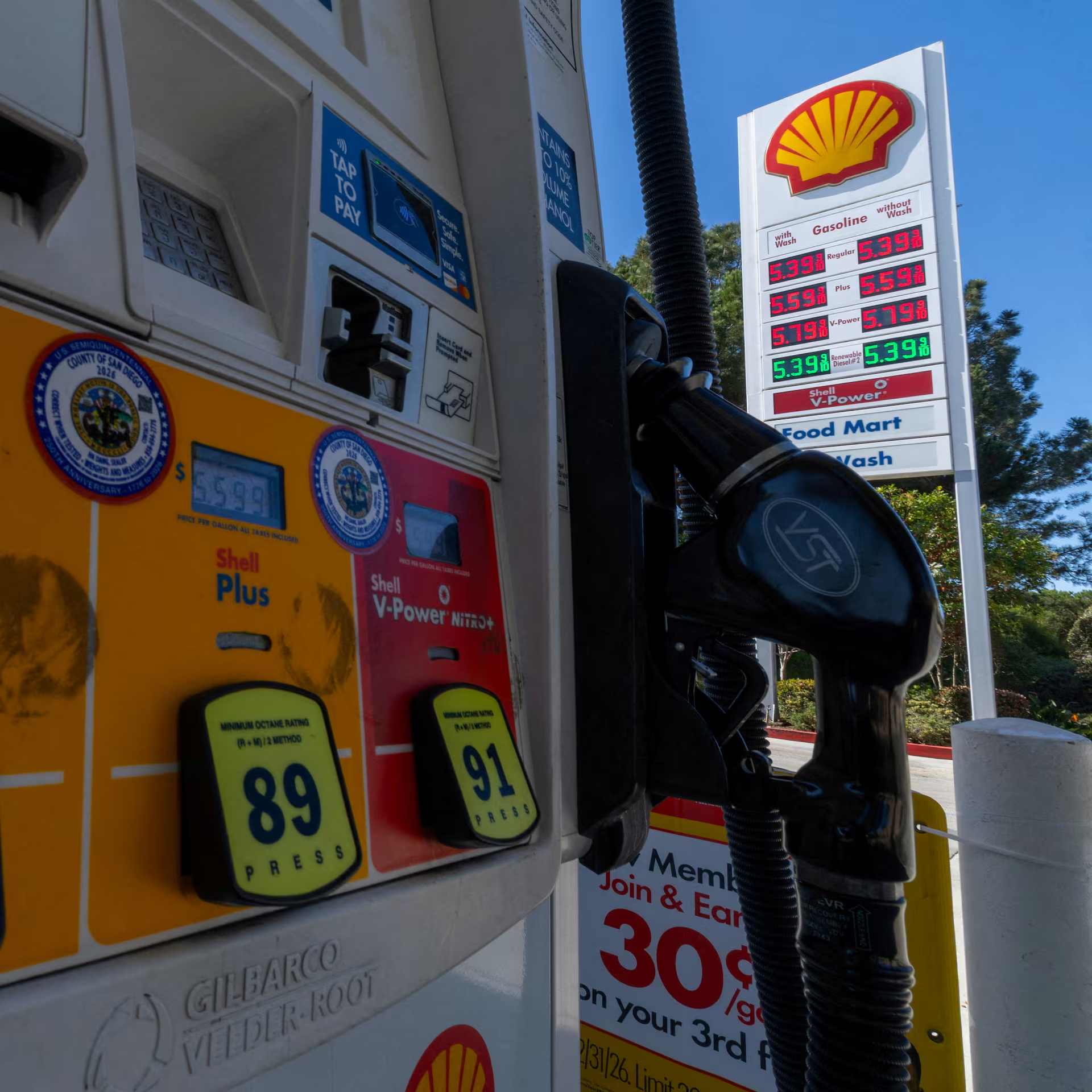
The call addressed developments in ignited flashpoints, stressing the need to protect civilians and avoid reckless steps that could widen the conflict. Clearly, coordination between the two sides currently focuses on supporting diplomatic efforts to restore field stability. As a result, both leaders agreed on the importance of maintaining the security of vital corridors—a clear reference to the Strait of Hormuz—as Trump views energy market stability as directly linked to the ability of regional partners, like Jordan, to curb escalation and prevent situations from sliding into full-scale confrontations.
A Shared Vision for Sustainable Stability: Can Diplomacy “Cool Down” the Fronts?
The two sides discussed ways to enhance joint coordination in the coming period, contributing to de-escalation efforts and reaching sustainable solutions. Accordingly, President Trump affirmed his country’s commitment to closely monitoring developments and working with international partners to avoid any uncalculated military explosions. In light of this diplomatic momentum, the question remains whether these high-level communications can translate the language of “calm” into a tangible reality on the ground, especially with growing international fears of regional crises spiraling out of control at any moment.