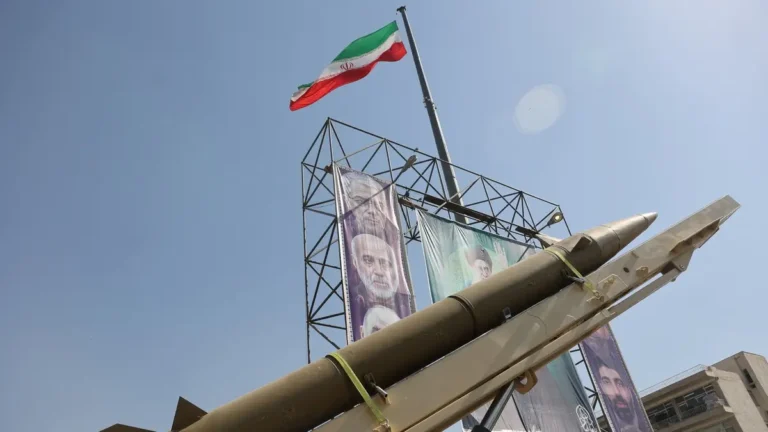
Tehran – In a notable escalation of political rhetoric, a senior Iranian official has called for “seizing the initiative” in regional affairs. He asserts that the current phase demands decisive action rather than reactive policies. These remarks coincide with mounting domestic criticism of the decision to extend the ceasefire. Critics argue that continued calm without tangible gains undermines the country’s strategic interests. Accordingly, the change in Iranian rules of engagement has become a central point of heated debate within decision-making circles. Meanwhile, there are warnings that a policy of restraint could be misinterpreted internationally as a sign of weakness or retreat.
Internal Division in Tehran: Concerns Over Lack of Guarantees
Political and media circles in Tehran are witnessing a clear divide regarding the feasibility of the truce extension. Opponents of the decision warn that a “wait-and-see” policy grants rivals a golden opportunity to reorganize their cards both on the ground and politically. Obviously, the absence of “real guarantees” from other parties fuels these criticisms. This strengthens calls to impose new equations. As a result, a faction advocating for “calculated escalation” has emerged to ensure the balance of power remains intact. They assert that Tehran possesses sufficient tools to deter any attempts to impose a new reality.
Defending De-escalation: Avoiding Open Confrontation and Awaiting Diplomacy
Conversely, other parties within the regime defend the de-escalation option, viewing it as a rational step to avoid sliding into an all-out military confrontation that could carry heavy economic and military costs. Certainly, this group is betting on ongoing behind-the-scenes diplomatic movements as an alternative to direct escalation. Accordingly, the change in Iranian rules of engagement remains contingent on whether these diplomatic channels can deliver concrete results. There is high anticipation for how official positions may shift in the coming days.