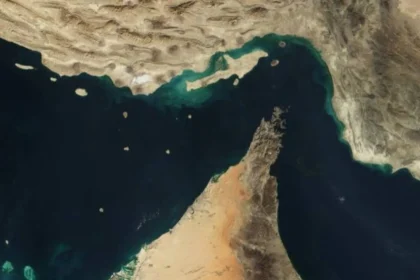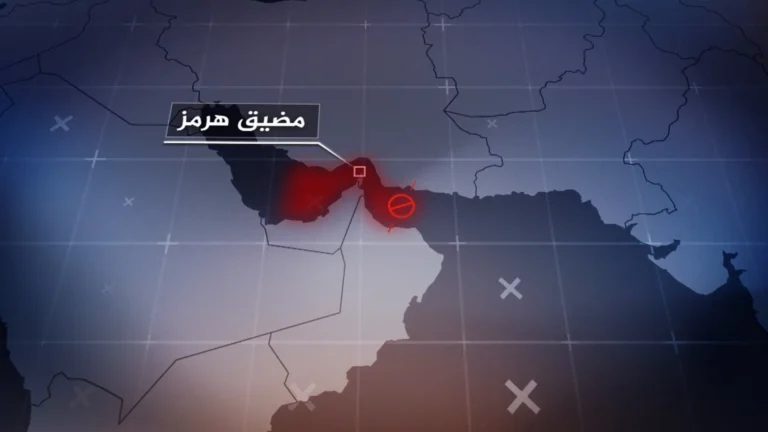
Tehran, Iran – The Speaker of the Iranian Parliament issued fiery statements confirming his country’s full control over the Strait of Hormuz, a move reflecting the peak of escalation in Iranian political and military rhetoric regarding growing regional tensions. These remarks reinforce international fears of vital waterways turning into arenas for direct conflict. Accordingly, the Iranian threat to close the Strait of Hormuz serves as a direct message to major powers that any external pressure may be met with a reaction targeting the core of the global economy and energy security, which fundamentally relies on this strategic passage.
Strategic Location as a Deterrent Against International Pressure
The Iranian official clarified that the region’s geopolitics grant Tehran an advantage in managing maritime traffic, noting that this influence is not merely a geographical feature but a political and military leverage to be activated against the United States and its allies. Obviously, Tehran seeks through this rhetoric to draw new boundaries for deterrence, emphasizing that the stability of global oil flow inevitably passes through the gate of political alignment with its will. As a result, analysts believe this verbal escalation may pave the way for practical steps on the ground that further complicate the security landscape in the Gulf.
Global Market Anxiety and Anticipation of International Reactions
These statements have caused confusion within global energy and financial markets, as observers fear the situation could slide into an open military confrontation if these threats are translated into reality. Certainly, protecting international shipping lanes remains a top priority for global powers, which may necessitate a reinforced foreign military presence in the region to ensure the smooth flow of trade. Accordingly, the Iranian threat to close the Strait of Hormuz remains a focal point in the current conflict, as all parties test the limits of power and the balance of deterrence in one of the world’s most sensitive and influential regions for international stability.