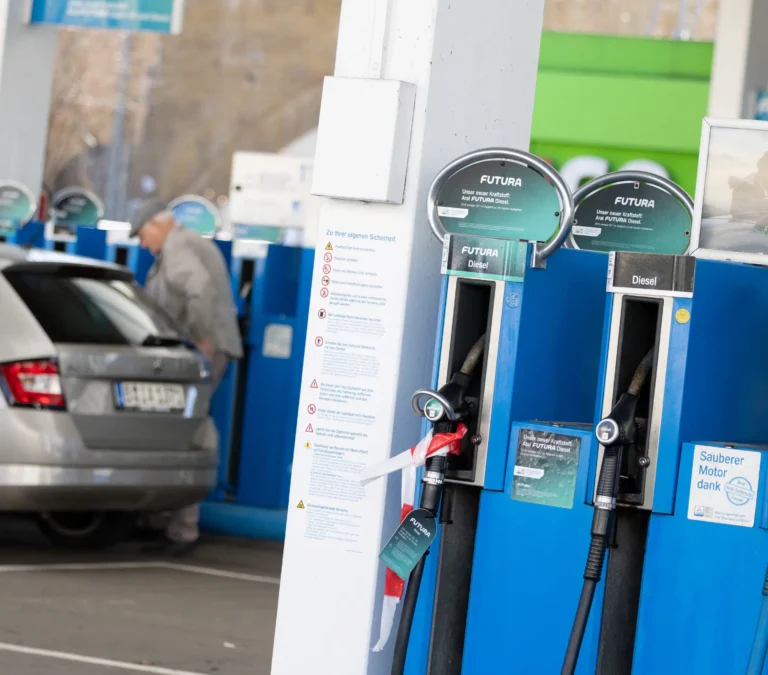
Berlin, Germany – In an unprecedented regulatory move, the German government announced temporary restrictions on fuel price increases, limiting gas stations to one price hike per day.
This measure aims to curb the sharp market fluctuations resulting
from the escalating impact of the Middle East conflict on global energy supplies.
The decision comes amidst widespread volatility in oil and gas markets, where prices have experienced rapid and significant price swings.
This has directly affected consumers in Germany, prompting government intervention to stabilize the market
and prevent practices that could further burden citizens.
Prices adjust in response to market movements
The German Ministry of Economic Affairs confirmed that the new measure aims to achieve greater transparency and stability,
noting that some distribution companies were adjusting prices several times
a day in response to market movements, which Berlin considered “unjustified pressure” on the end consumer.
n contrast, energy companies warned that the restrictions could limit market flexibility,
especially given the exceptional circumstances surrounding global supplies,
with ongoing geopolitical tensions and threats of supply chain disruptions, particularly in vital areas such as the Strait of Hormuz.
An attempt to protect the local economy
Experts believe the German decision reflects a growing European trend toward direct intervention in energy markets,
aimed at protecting domestic economies from external shocks amid concerns that rising prices could persist
for an extended period, impacting inflation and economic growth across the continent.
This move remains a true test of governments’ ability to balance free market mechanisms
with the protection of their citizens, at a time when energy has become a key tool of leverage in international conflicts.